December 31, 2025
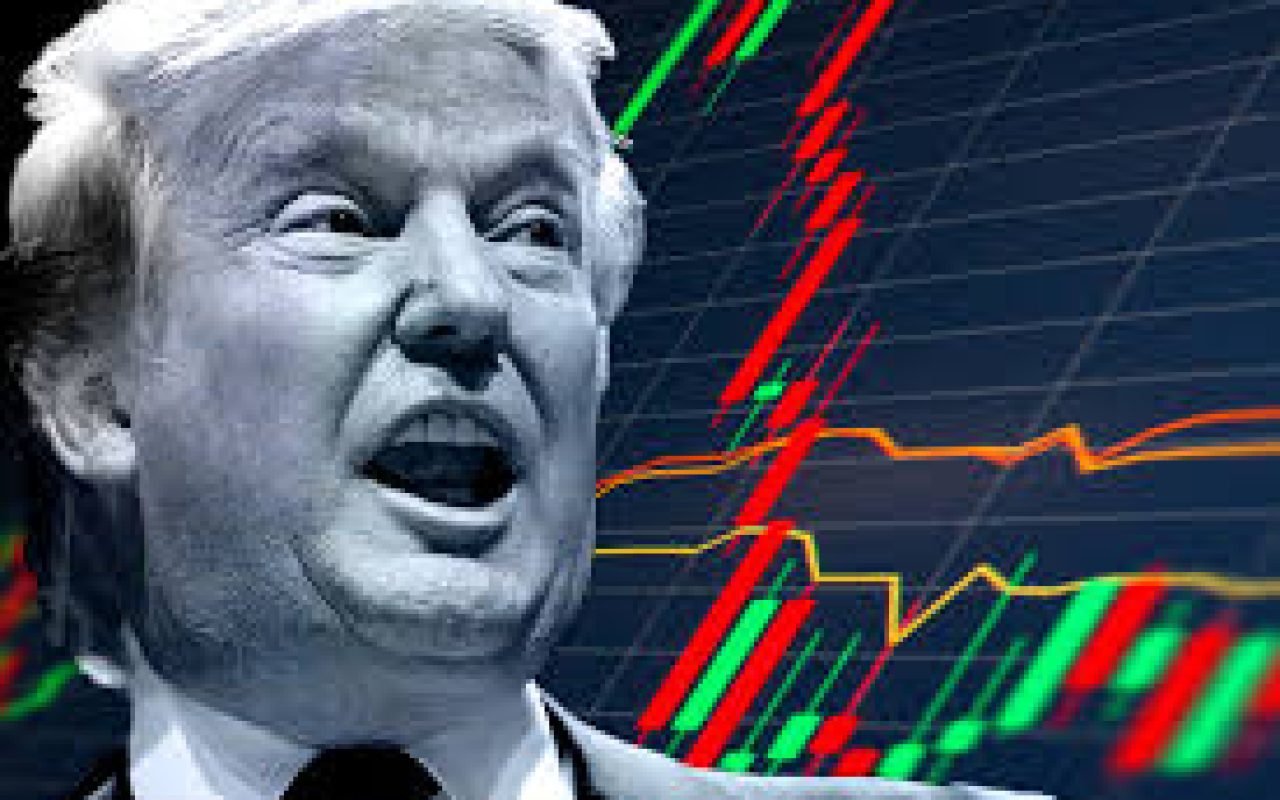
As the closing bell rings on the final trading session of 2025, Wall Street finds itself suspended between celebration and unease. U.S. equity markets have delivered another banner year, defying persistent warnings of recession, tighter credit, and geopolitical instability. Yet beneath the surface of record-setting index levels lies a growing sense that the rally has become increasingly fragile, sustained less by broad economic strength than by liquidity, concentration, and investor inertia.
The S&P 500 closed the year near an all-time high of approximately 6,896, marking an annual gain of roughly 17%, according to market data. The achievement caps a year in which large-cap technology and AI-linked firms once again dominated returns, masking weakness elsewhere in the economy. Few strategists predicted such resilience at the start of the year, particularly amid lingering inflation concerns and slowing global growth.
But as traders exit for the holidays, the prevailing mood is not exuberance. It is a relief.
From “Goldilocks” to a K-Shaped Reality
For much of 2025, markets embraced a “Goldilocks” narrative: inflation cooling just enough to allow the Federal Reserve to ease policy, while economic growth remained intact. Over time, however, that narrative has frayed. What has emerged instead is something closer to a K-shaped economy, where asset prices and high-income consumption continue to surge while labor market momentum softens and lower-income households face mounting pressure.
This divergence has become increasingly difficult to ignore. Equity valuations reflect optimism bordering on perfection, yet measures of labor participation, job creation, and real wage growth have failed to keep pace with headline GDP figures. The result is an economy that looks strong on paper but uneven in lived experience.
Markets Send Mixed Signals
The final trading days of the year captured this tension. Major U.S. indices finished flat to slightly lower, as investors adopted a “wait-and-see” stance ahead of the new year and forthcoming guidance from the Federal Reserve. At the same time, gold continued its historic ascent, trading around $4,364 per ounce, reinforcing its role as a hedge against policy uncertainty and currency debasement.
The simultaneous strength of both speculative assets and traditional safe havens is an unusual and telling combination. When investors bid up growth stocks while also stockpiling gold, it often signals not confidence in productivity gains, but anxiety over the durability of monetary stability. In effect, markets appear to be pricing both optimism and fear at once.
Growth Without Jobs?
Beneath the index-level euphoria, cracks are forming in the real economy. Recent data show that U.S. GDP expanded at a robust 4.3% annualized pace in the third quarter, supported by high-income consumer spending and sustained investment in artificial intelligence and automation. Yet labor market gains have slowed markedly compared to earlier stages of the expansion.
Economists increasingly warn of a form of “job-light” growth, in which productivity gains and capital investment outpace hiring. This dynamic has complicated policymaking, particularly for the Federal Reserve, which must balance progress on inflation against signs of cooling employment conditions. Public commentary from Fed officials throughout the year has reflected this tension, leaving markets uncertain about the path of rates in early 2026.
A Fracturing Global Backdrop
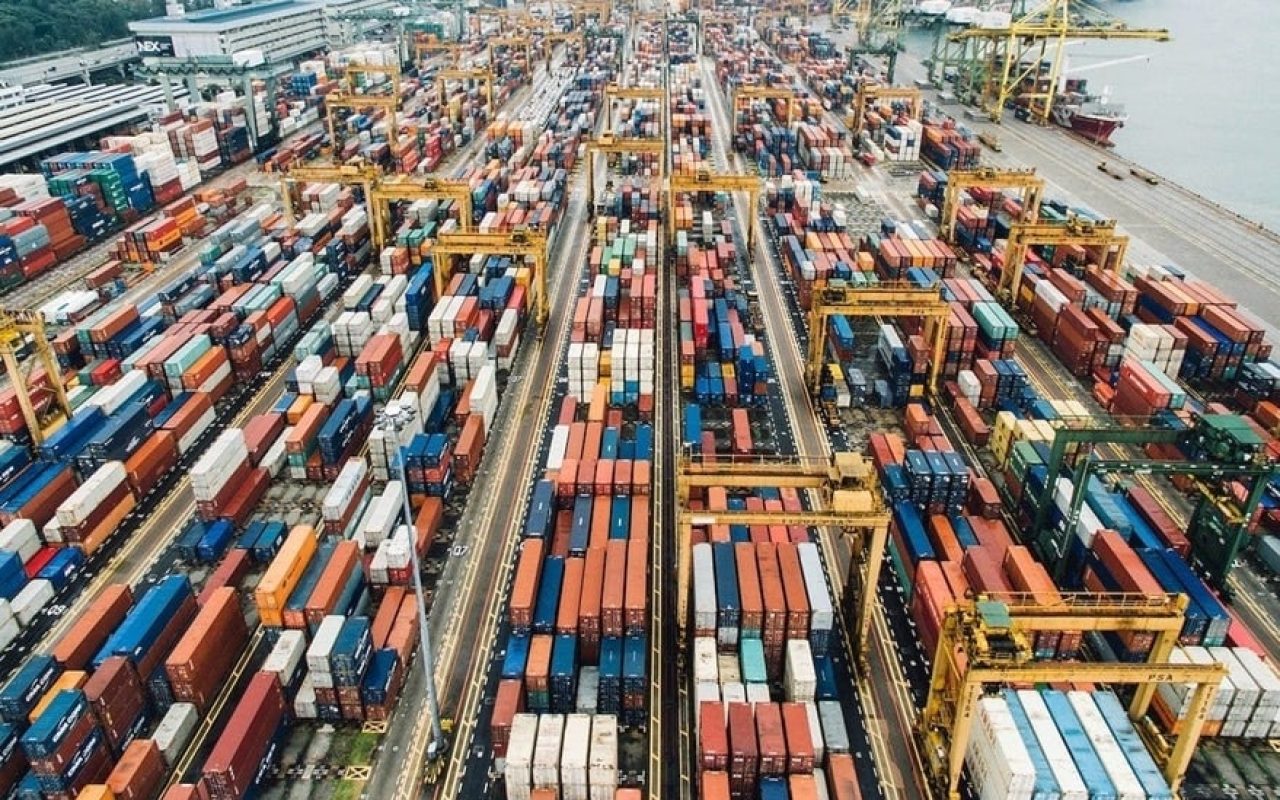
The global context offers little reassurance. As 2025 draws to a close, multinational corporations are confronting a trade environment defined less by efficiency and more by resilience. Supply chains are being shortened, duplicated, or rerouted, not to maximize margins, but to minimize geopolitical risk.
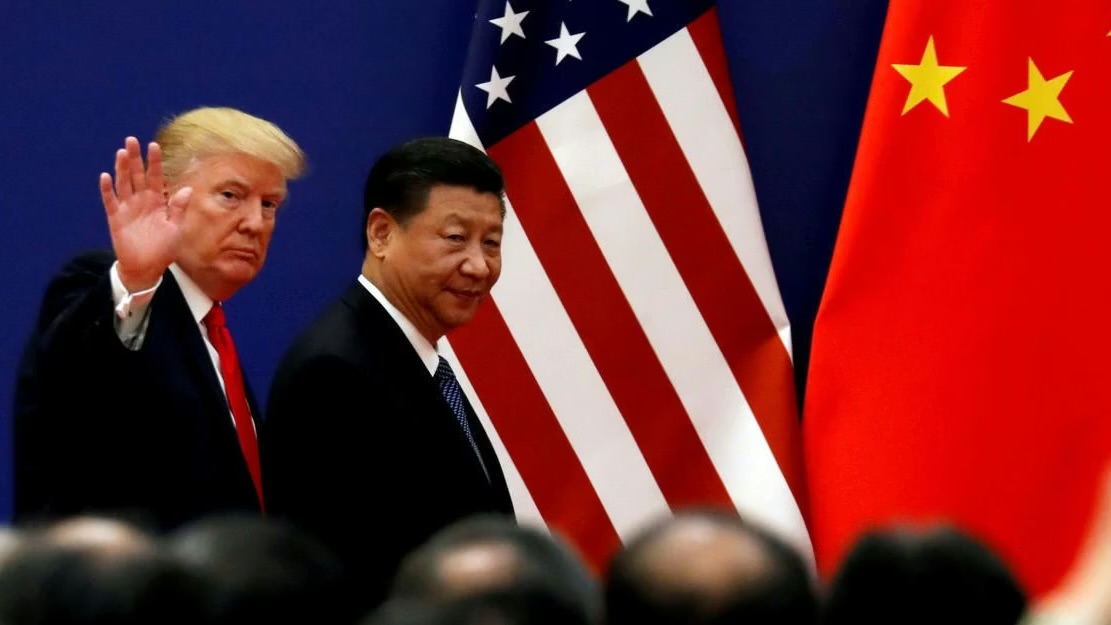
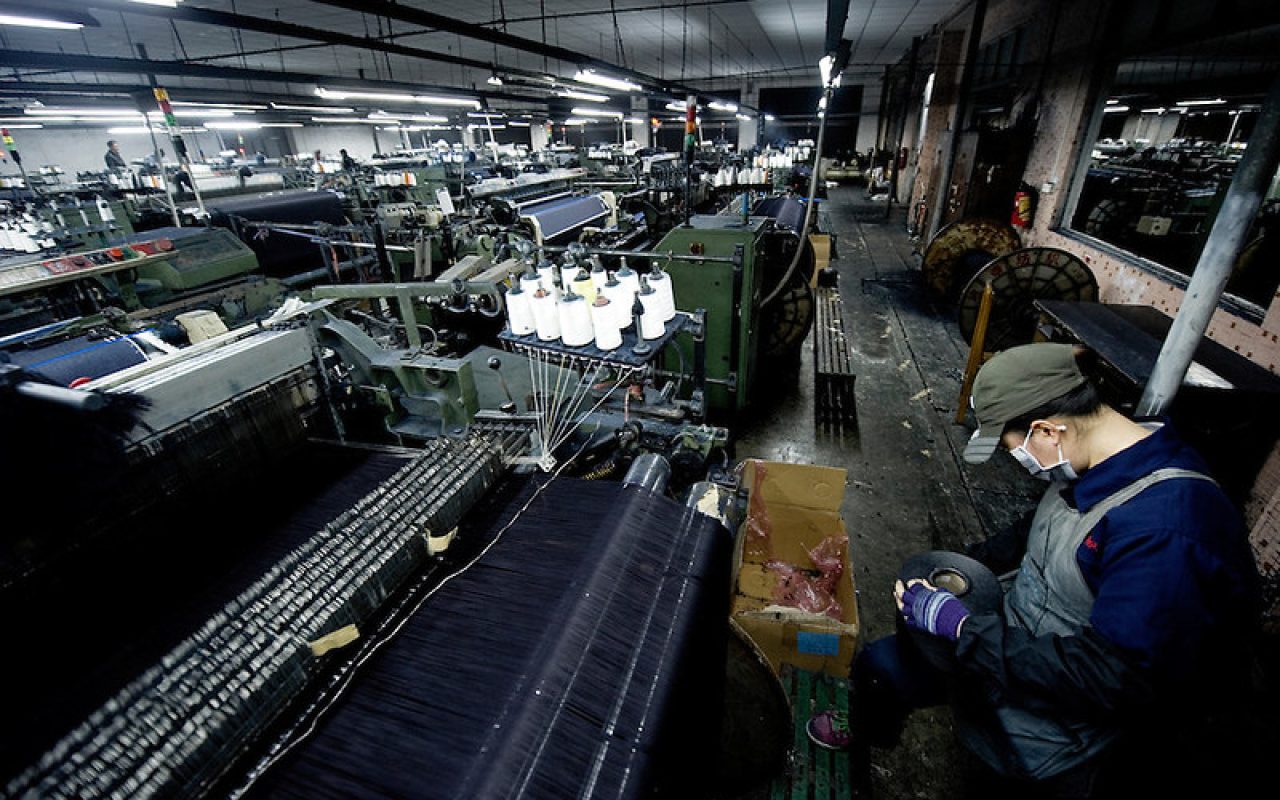
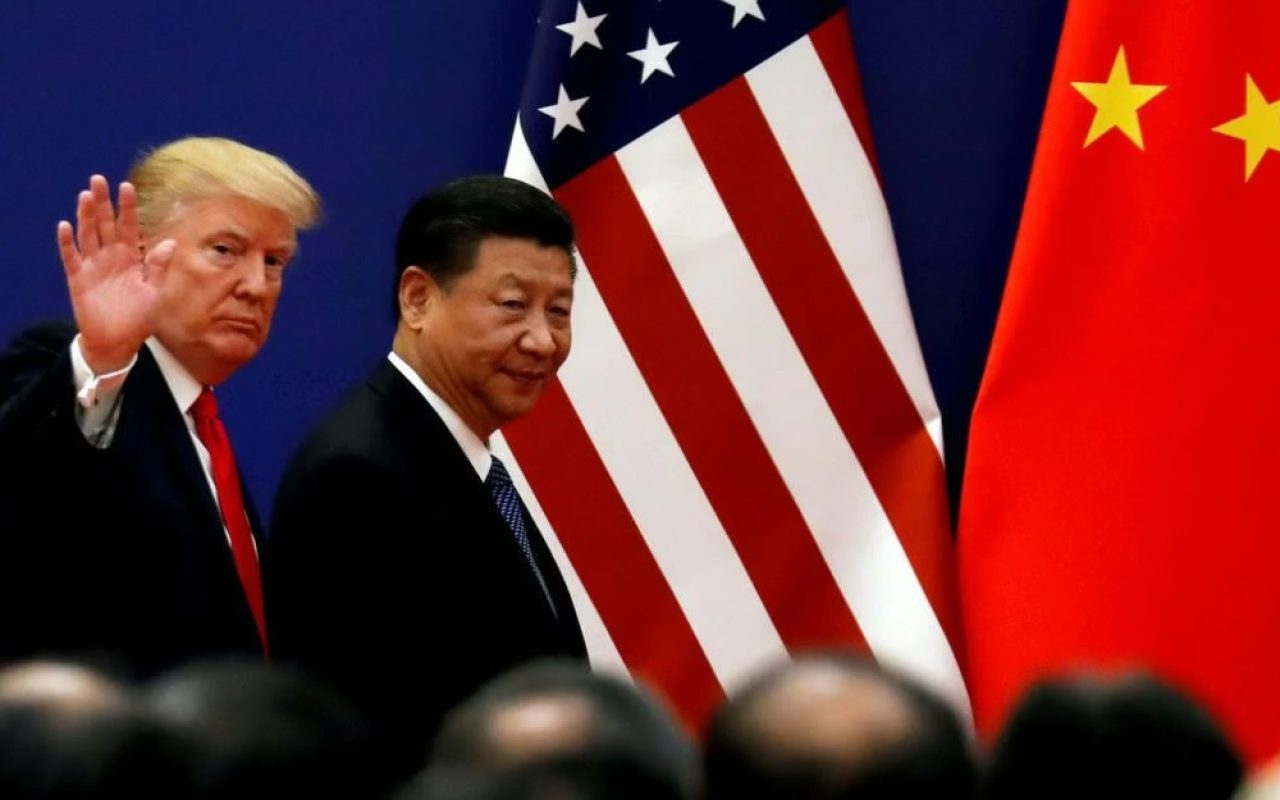
China’s expanding industrial capacity and increasingly assertive trade posture have further complicated Western efforts to “de-risk” without triggering outright decoupling. Meanwhile, renewed trade tensions, industrial subsidies, and strategic tariffs have reinforced a reality many executives are only beginning to accept: the era of frictionless globalization is over.
This shift carries inflationary consequences. Building redundancy into global supply chains may enhance stability, but it also raises costs, costs that ultimately filter through to consumers and corporate margins alike.
Looking Ahead to 2026
As champagne glasses are raised across trading floors and corner offices, the outlook for 2026 remains deeply uncertain. Equity valuations suggest confidence in a benign outcome, yet the underlying risks, from policy missteps and labor market weakness to geopolitical escalation, have not disappeared. They have merely been deferred.
The much-anticipated “January Effect,” traditionally associated with fresh inflows of capital and renewed optimism, may take on a different character this year. Rather than a surge of buying, markets could face a sober reassessment as bond investors, returning from the holidays, demand greater compensation for risk in a world of elevated debt and persistent uncertainty.
2025 delivered impressive gains, but at a growing cost. As the calendar turns, investors may discover that the celebration itself was the velvet trap, and that the bill is coming due.
References