Navigating the New Global Trade Frontier: Reciprocal Deals, Strategic Shifts, and Economic Resilience

January 30, 2026

The global trade landscape is shifting as major economies pursue bilateral deals and strategic partnerships to secure market access and supply-chain resilience. In late January 2026 there was a concentration of diplomatic activity that highlights a strategic emphasis on direct trade engagement, moving away from purely multilateral frameworks toward more targeted, reciprocal arrangements. Notably, the United States and El Salvador concluded a groundbreaking reciprocal trade pact, while the United Kingdom secured several agreements during Prime Minister Keir Starmer’s visit to Beijing. These developments come as emerging economies such as Thailand confront challenges from heightened tariffs and global competition.

On January 29, 2026, the United States and El Salvador signed the first Agreement on Reciprocal Trade in the Western Hemisphere, formalizing a framework intended to reduce non-tariff barriers and deepen bilateral commerce. The text of the deal focuses on enhancing market access for U.S. exports, aligning regulatory standards, and reinforcing supply-chain linkages, while El Salvador commits to streamlining regulatory processes and lowering certain barriers to U.S. goods. USTR Jamieson Greer described the agreement as strengthening existing ties and lowering barriers for American producers.

At roughly the same time, UK Prime Minister Keir Starmer completed a multi-day visit to China in a bid to strengthen economic cooperation. This trip, the first by a UK prime minister to Beijing since 2018, resulted in China agreeing to allow visa-free travel for British citizens for stays up to 30 days, aimed at facilitating tourism and business engagement. Officials also announced intentions to pursue a feasibility study for a bilateral services agreement, which would set clearer rules for UK companies operating in China, particularly in sectors like finance, healthcare, education, and professional services.

Outside of the Western Hemisphere and East Asia, Thailand, Southeast Asia’s second-largest economy, is facing headwinds from global trade pressures. According to recent forecasts reflecting government and economic think tank data, Thailand’s economic growth is expected to remain modest in 2026, supported by strong tourism and domestic demand but challenged by slower export momentum. Exports are predicted to be flat or only marginally higher, weighed down by global trade volatility, high household debt, and a strong baht, while foreign arrivals are projected to be around 35.5 million, bolstering the services sector.

The rise of reciprocal trade frameworks and direct bilateral engagement reflects a broader rebalancing of the global commercial order. Whether it’s Washington’s push for reciprocal market access in the Americas or London’s pragmatic engagement with Beijing’s expansive economy, the emphasis is on securing clear rules and tangible advantages for national exporters and investors. For businesses, this evolving environment presents both opportunities and uncertainties, requiring agile responses as shifting tariffs or new visa rules can impact operations and competitiveness with little notice.

References
USTR. (2026, January 29). Ambassador Greer Signs the U.S.–El Salvador Agreement on Reciprocal Trade. https://ustr.gov/about/policy-offices/press-office/press-releases/2026/january/ambassador-greer-signs-us-el-salvador-agreement-reciprocal-trade

USA Rice Federation. (2026, January 29). USTR’s Reciprocal Trade Agreement with El Salvador Addresses Longstanding Fraudulent Rice Issue. https://www.usarice.com/news-and-events/publications/usa-rice-daily/article/2026/01/29/ustr-s-reciprocal-trade-agreement-with-el-salvador-addresses-longstanding-fraudulent-rice-issue

Reuters. (2026, January 29). El Salvador signs trade agreement with US. https://www.reuters.com/world/americas/el-salvador-signs-reciprocal-trade-agreement-with-us-2026-01-29/

Reuters. (2026, January 29). China agrees some visa-free travel for British citizens, UK says. https://www.reuters.com/world/uk/china-agrees-some-visa-free-travel-british-citizens-says-uk-pm-2026-01-29/
Reuters. (2026, January 28). UK’s Starmer arrives in China, encourages firms to seize opportunities. https://www.reuters.com/world/uk/britains-starmer-heads-china-western-alliances-face-strain-2026-01-28/

Reuters. (2026, January 27). Thai finance ministry maintains 2026 growth forecast at 2.0% despite weaker exports. https://www.reuters.com/world/asia-pacific/thai-finance-ministry-maintains-2026-growth-forecast-20-2026-01-27/

Business Today / Malaysian news (2026, January 27). Thailand Keeps 2.0% Growth Forecast As Export Outlook Improves. https://www.businesstoday.com.my/2026/01/27/thailand-keeps-2-0-growth-forecast-as-export-outlook-improves/
Other News and Insights

The decline in hiring arrives at a particularly fragile moment for the global economy. Heightened geopolitical tensions in the Middle East have injected a new wave of uncertainty into international markets, driving energy prices sharply higher and rattling investor confidence. Brent crude has climbed close to $90 a barrel, marking one of its highest levels in more than a year as traders react to fears of supply disruptions and the possibility that regional conflict could threaten key transportation routes for global oil shipments.

The Strait of Hormuz,through which roughly one-fifth of the world’s seaborne oil supply passes,has once again become a focal point for market anxiety as military tensions and tanker disruptions raise concerns about the stability of global energy flows.

Rising energy prices tend to ripple quickly through the global economy. Higher oil costs increase transportation and production expenses across multiple industries, pushing up prices for goods and services and fueling inflationary pressure. As energy costs rise, companies facing higher operating expenses often become more cautious about expansion and hiring decisions. Economists warn that a prolonged energy shock could revive the risk of “stagflation,” a difficult economic scenario characterized by slowing economic growth combined with persistent inflation.

For policymakers, the situation presents a complex challenge. Analysts observing market reactions to recent economic data note that rising oil prices complicate central bank decision-making. Under normal circumstances, weakening employment figures might encourage central banks to cut interest rates in order to stimulate economic activity. However, when inflation pressures remain elevated,particularly due to rising energy costs,policy makers must balance the need to support growth against the risk of fueling further price increases.

Recent labor market data appears to reflect early signs of this tension. Although unemployment remains relatively moderate by historical standards, the pace of job creation has slowed compared with the rapid expansion seen throughout much of 2025. In some sectors, companies have begun scaling back hiring plans or delaying expansion amid rising uncertainty in global markets and higher operating costs.

For Recruitment Coordinators and HR professionals, these developments suggest a shift in the labor market environment. During the hiring surge of 2025, companies competed aggressively for talent and accelerated recruitment timelines. In contrast, the emerging conditions of 2026 indicate a more cautious and selective approach. Organizations may prioritize essential positions, focus on productivity improvements, and rely more heavily on targeted hiring strategies rather than rapid workforce expansion.

While it remains uncertain whether the global economy will enter a prolonged period of stagflation, the convergence of geopolitical instability, rising energy prices, and cooling employment growth underscores the fragile balance currently facing policymakers and businesses alike. In the months ahead, indicators such as energy supply stability, inflation trends, and labor market resilience will play a crucial role in shaping both monetary policy decisions and corporate hiring strategies worldwide.

References

AIHR. (2026). 11 HR trends for 2026: Shaping what’s next. https://www.aihr.com/blog/hr-trends/

European Central Bank. (2026, March 4). Artificial intelligence: Friend or foe for hiring in Europe today? https://www.ecb.europa.eu/press/blog/date/2026/html/ecb.blog20260304~d9e34fc95f.en.html

The Guardian. (2026, March 6). Brent crude hits $90 as Kuwait ‘starts cutting oil production’; shock as US economy loses 92,000 jobs in February – business live. https://www.theguardian.com/business/live/2026/mar/06/oil-biggest-weekly-gain-four-years-strait-of-hormuz-traffic-halt-stock-markets-dollar-imf-news-updates

Times of India. (2026, March 2). LinkedIn lists skills on the rise in 2026: Why skills matter more than job titles in the AI hiring era. https://timesofindia.indiatimes.com/relationships/linkedin-lists-skills-on-the-rise-in-2026-why-skills-matter-more-than-job-titles-in-the-ai-hiring-era/articleshow/128941900.cms

December 3, 2025

Global markets are trading with characteristic caution this Wednesday, suspended between a politically sensitive anniversary in Asia and critical labor data due from Washington. U.S. equity futures remain broadly steady, mirroring Tuesday’s rotation out of higher-beta assets, including cryptocurrency, and into industrial names. The shift reflects a market recalibration rather than panic, with investors opting for earnings visibility as policy uncertainty builds ahead of next week’s central-bank meeting.

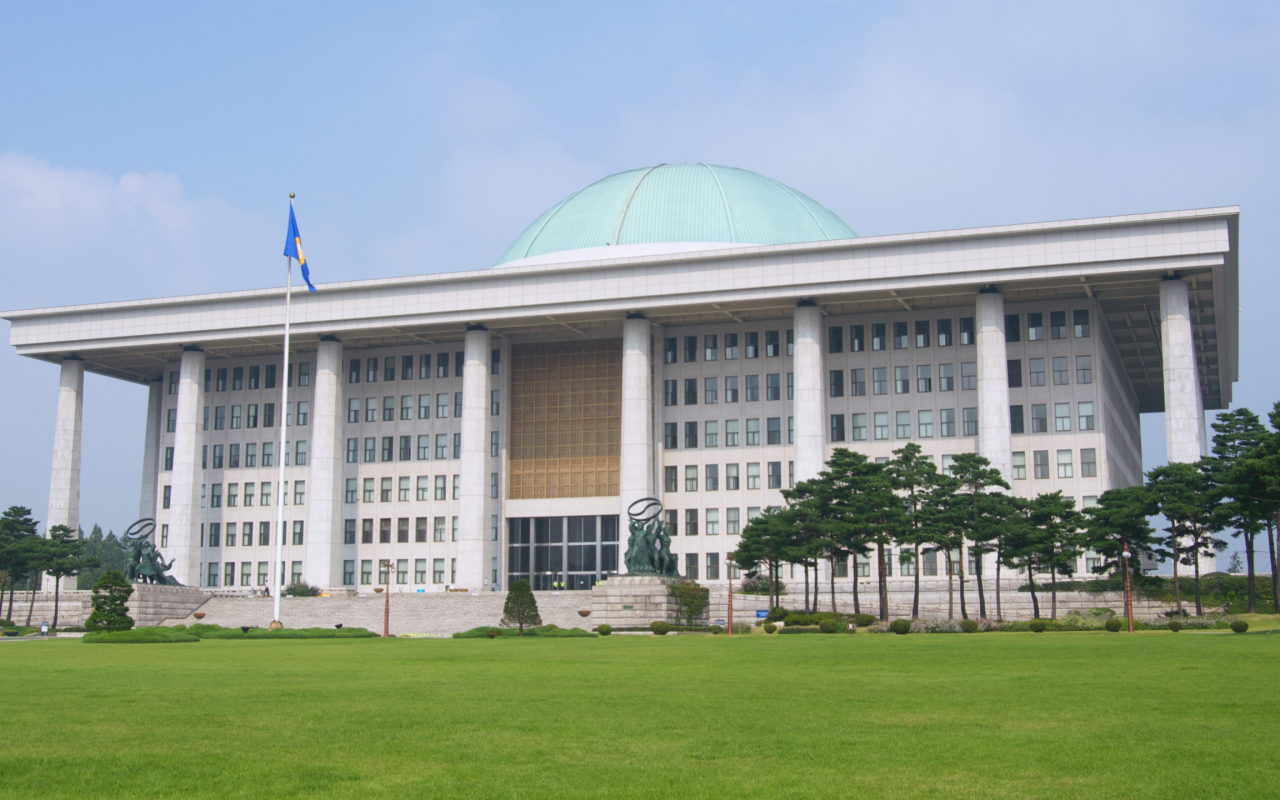
In Asia, the mood is reflective rather than volatile. Today marks one year since South Korea’s brief but consequential political crisis, when former President Yoon Suk Yeol’s emergency martial-law declaration was swiftly nullified by the National Assembly. While the decree lasted only hours, the episode remains politically resonant, and coverage across major Korean outlets has reignited debate about institutional safeguards. The KOSPI finished marginally lower, and although markets are far from disorderly, the anniversary has added a layer of caution to broader regional trading already contending with currency fluctuations and shifting risk appetite.

Back in the United States, attention is firmly on the ADP National Employment Report, set for release this morning. Following recent data disruptions linked to the federal shutdown, policymakers are eager for clearer signals ahead of the December 9–10 Federal Reserve meeting. Investors largely expect evidence of cooling in private-sector hiring, but an upside surprise could challenge assumptions about early-2026 rate cuts. The 10-year Treasury yield, hovering near 4.08 percent, underscores the delicate balance; any sharp move after the ADP print could reverberate quickly across equity indices.

Corporate performance continues to diverge in ways that offer insight into the real economy. While enthusiasm around the “AI trade” has moderated, traditional industrial strength is showing through. Boeing rallied more than 10 percent yesterday after updated guidance from CFO Jay Malave pointed to firmer cash-flow expectations for 2026. The contrast with the crypto complex is striking: Bitcoin remains below the $91,000 level after recent selling pressure, dragging correlated equities lower and illustrating a broader preference for assets backed by hard earnings rather than speculative adoption narratives.

Meanwhile, the OECD’s latest Economic Outlook, released yesterday, projects that global recession risks remain contained but warns of a “synchronized slowdown” across major economies as elevated uncertainty weighs on consumption and investment. France’s political gridlock and Germany’s uneven industrial recovery continue to cloud Europe’s outlook, raising concerns that the momentum of global growth may once again fall disproportionately on the United States. Recent commentary from consumer-facing companies, including Procter & Gamble, points to increasingly unpredictable spending patterns heading into 2026.


References

Associated Press. (2025, December 2). Wall Street holds steadier as bond yields and bitcoin stabilize. https://apnews.com/article/stocks-markets-rates-bitcoin-cyber-trump-e1058c781c79d8860eb1ee70db21dc7c

The Korea Herald. (2025, December 2). Martial law’s animosity has outlived decree — and now defines political identity. https://www.koreaherald.com/article/10628069

OECD. (2025, December 2). OECD to release latest Economic Outlook on Tuesday 2 December 2025. https://www.oecd.org/en/about/news/media-advisories/2025/11/oecd-to-release-latest-economic-outlook-on-tuesday-2-december-2025.html

Nasdaq. (2025, December 2). Stock Market News for Dec 2, 2025. https://www.nasdaq.com/articles/stock-market-news-dec-2-2025

Date: December 23, 2025

Wall Street has officially entered the “twilight zone” of the 2025 trading year. As liquidity thins ahead of the Christmas holiday, the S&P 500 and Nasdaq are pushing higher into Tuesday’s session, defying the typical late-December slowdown. But the calm on equity screens contrasts sharply with the urgency building in commodities. Gold futures have vaulted past a major psychological threshold, trading above $4,400 an ounce for the first time, while silver prices are approaching the $70 level.

This unusual alignment, strength in both risk assets (stocks) and traditional risk hedges (gold), suggests investors are simultaneously embracing the Federal Reserve’s recent rate cut to 3.75% and guarding against its longer-term consequences. With the 10-year Treasury yield holding near 4.17%, the speed and scale of the precious metals rally points to growing concern that easier financial conditions could revive inflation pressures as early as Q1 2026.

Geopolitics is adding another layer of uncertainty. Earlier optimism around a temporary “trade truce” is beginning to fade, though the fault lines are shifting. While U.S.–China negotiations remain in a holding pattern, Beijing has escalated trade pressure on Europe. China’s Ministry of Commerce announced that anti-dumping tariffs of between 21.9% and 42.7% on EU dairy imports have taken effect, directly impacting producers in the Netherlands and Denmark, including FrieslandCampina and Arla. The move underscores China’s willingness to use targeted trade measures amid broader strategic tensions.

In contrast, sentiment in the technology sector remains resilient. Reports indicate Nvidia (NVDA) is preparing a compliant version of its H200 AI chip that could allow shipments to China to resume by mid-February. Even with performance restrictions, the prospect of renewed access to Chinese demand has lifted semiconductor stocks, helping offset concerns tied to widening global trade frictions.

Meanwhile, consolidation pressures are intensifying in the media industry as competition shifts from subscriber growth to scale. Paramount Global (PARA) is reported to have made a roughly $40 billion hostile bid for Warner Bros. Discovery (WBD), potentially complicating separate takeover speculation involving Netflix. The aggressive move reflects urgency among legacy media firms ahead of a tougher regulatory environment expected in 2026, which could narrow the window for large-scale mergers.

The “Santa Rally” appears intact, but it is unfolding alongside a sharp reassessment of monetary risk. When gold rises more than 1% in a single session without a clear crisis trigger, it signals heightened sensitivity to central bank policy and currency stability. Equity gains may continue into year-end, but investors should watch the dollar index (DXY) closely. A decisive break lower could indicate that the inflation-sensitive trades of 2026 are already coming into focus.

References

Global financial markets have exhibited heightened volatility as tensions surrounding the Strait of Hormuz continue to evolve. On Wednesday, international oil benchmarks recorded sharp intraday swings, reflecting rapidly shifting expectations rather than confirmed structural changes in supply. Brent crude briefly dipped below $95 per barrel as early reports of a potential ceasefire, alongside indications of a possible easing of restrictions in the strait, led traders to anticipate a partial resumption of maritime traffic. Given that roughly one-fifth of the world’s seaborne oil transits this narrow corridor, even tentative signals of reopening were sufficient to prompt swift market adjustments.

However, this initial optimism proved fragile. By Thursday morning, Brent crude had rebounded to around $97 per barrel as uncertainty resurfaced over whether oil tankers could safely return in the near term. Market participants pointed to continued risk premiums, noting that shipping companies and insurers remain cautious about operating in the area amid unresolved security concerns. Reports suggest that several major maritime operators have opted to reroute vessels or delay departures pending clearer assurances.

These mixed developments have contributed to a broader climate of uncertainty across global financial markets. Investors appear divided on whether recent diplomatic signals constitute a meaningful de-escalation or a temporary pause. Energy traders, in particular, are closely monitoring tanker tracking data and shipping activity for confirmation of any sustained normalization in transit flows rather than relying solely on official statements.

Further complicating the outlook are differing public statements from officials in both Iran and the United States regarding the operational status of the strait. Representatives associated with the White House have indicated that efforts are ongoing to safeguard maritime navigation and support a reopening of the route. U.S. officials continue to frame freedom of navigation in the strait as a key pillar of global economic stability and energy security.

At the same time, coverage from Iranian state-affiliated and semi-official media has suggested that transit conditions may remain conditional. Some narratives characterize restrictions as precautionary measures tied to ongoing regional tensions and military developments linked to the conflict in Lebanon. The divergence in messaging has made it difficult for market participants to assess whether the situation is stabilizing or remains prone to renewed disruption.

Financial analysts caution that prolonged instability in the Strait of Hormuz could carry wider macroeconomic implications. Elevated and volatile oil prices typically feed into transportation and production costs, with potential spillovers into consumer energy prices. Should such conditions persist, economists warn that inflationary pressures could complicate central banks’ efforts to balance price stability with economic growth.

For now, markets remain highly reactive to incremental developments. Updates related to naval deployments, tanker movements, or diplomatic engagement continue to generate immediate price responses. In the absence of verifiable evidence that shipping activity has normalized and that regional tensions have materially eased, energy markets are likely to remain sensitive to further shocks.

References

Al Jazeera. (2026, April 8). Middle East live 8 April: US-Iran ceasefire announced; strikes continue in Lebanon. https://www.aljazeera.com/

British Government. (2026, April 8). Joint statement on the conflict in the Middle East: 8 April 2026. GOV.UK. https://www.gov.uk/government/news/joint-statement-on-the-conflict-in-the-middle-east-8-april-2026

The Guardian. (2026, April 7). US and Iran agree to provisional ceasefire as Tehran says it will reopen Strait of Hormuz. https://www.theguardian.com/us-news/2026/apr/07/trump-iran-war-ceasefire

The Soufan Center. (2026, April 8). Intelbrief: The U.S. and Iran agree to a two-week ceasefire. https://thesoufancenter.org/intelbrief-2026-april-8/

Times of India. (2026, April 9). Crude global prices: Oil climbs back towards $97 as Strait of Hormuz remains under pressure. https://timesofindia.indiatimes.com/business/international-business/crude-global-prices-on-april-9-2026-oil-climbs-back-towards-96-as-strait-of-hormuz-remains-under-pressure/articleshow/130127538.cms

United Nations News. (2026, April 8). Middle East live 8 April: US-Iran ceasefire announced; strikes continue in Lebanon. https://news.un.org/en/story/2026/04/1167264

University of Western Australia. (2026, April 8). The US-Israel ceasefire with Iran presses pause on a costly war, but can peace last? https://www.uwa.edu.au/news/article/2026/april/the-us-israel-ceasefire-with-iran-presses-pause-on-a-costly-war-but-can-peace-last

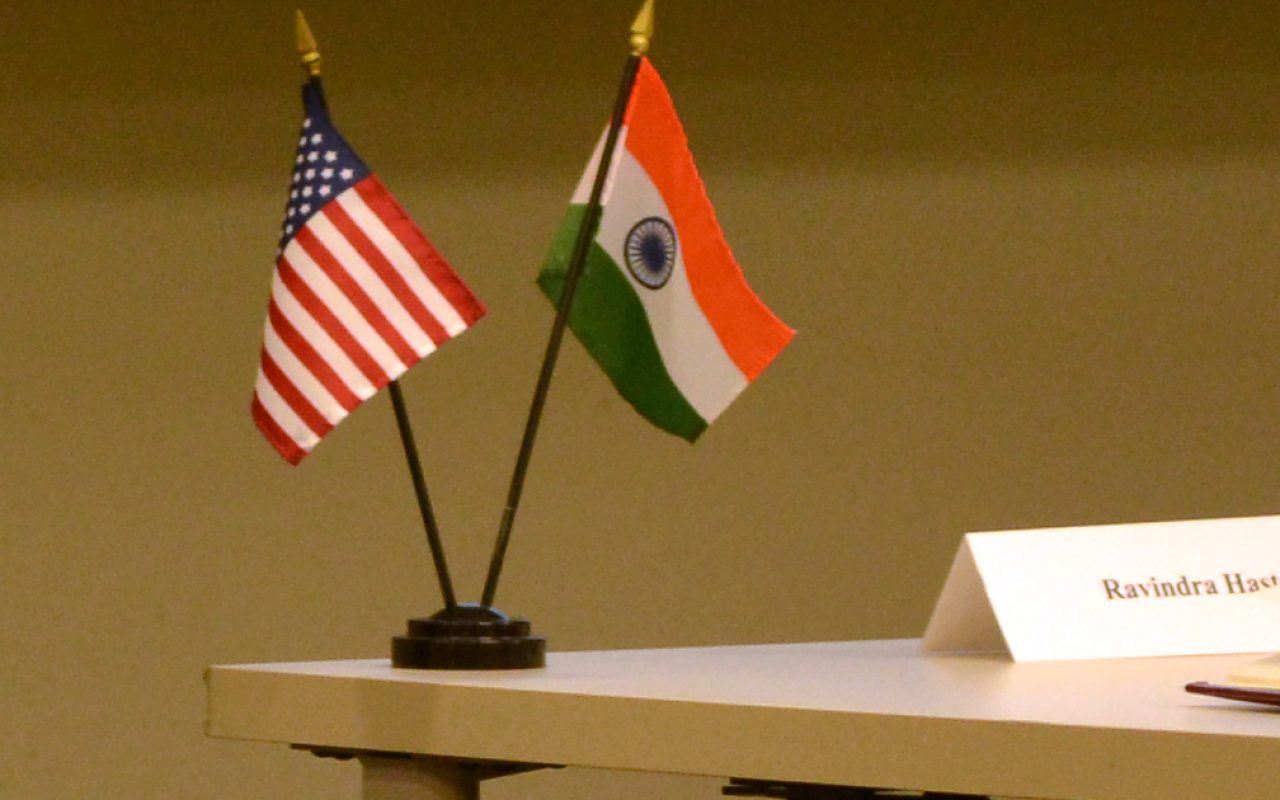
WASHINGTON D.C. / NEW DELHI — The United States and India have announced an interim agreement to ease trade tensions and expand economic cooperation, sparking strong market reactions and strategic debate. Following a call between U.S. President Donald Trump and Indian Prime Minister Narendra Modi on February 2, 2026, both governments confirmed progress toward lowering trade barriers after months of tariff friction.

The central feature of the announcement is a reduction in U.S. tariffs on Indian imports. Washington said it will cut “reciprocal” tariffs on most Indian goods to around 18%, down from an effective levy near 50% imposed during 2025 in response to disputes including India’s energy ties. India has also agreed to cut some of its tariffs and non-tariff barriers on U.S. products, although the full implementing text has not yet been publicly released.

Indian officials have welcomed the tariff rollback as a positive step, noting that reduced duties will help restore export competitiveness in key sectors such as textiles, gems and jewellery and engineering goods that were disrupted by last year’s steep U.S. levies.

As part of the broader deal narrative, the U.S. government highlighted a commitment by India to significantly increase purchases of American products, including energy, technology and agricultural goods, with a total figure often cited around $500 billion over several years. Analysts stress this figure is an aspirational target rather than a legally binding order book, reflecting broader economic cooperation ambitions.

The White House characterized the pact as aligning India more closely with U.S. geopolitical priorities by encouraging a shift away from Russian oil purchases. India’s official statements have been more cautious on this issue, and Moscow has said it has received no formal notification of policy changes. Independent analysts note India’s energy needs are diversified and such a transition would be gradual and conditional on domestic considerations.

Indian stock markets reacted positively, with major indices rising in response to the news. U.S. analysts and policy experts describe the announcement as a confidence-building measure that could unlock longer-term cooperation but caution that details, compliance mechanisms and sensitive sectors, especially agriculture and dairy, remain subject to ongoing negotiation.

While described by officials as a “breakthrough,” observers stress the deal is still in progress rather than fully ratified. Many elements, like the schedule of tariff cuts, regulatory cooperation, and enforcement, have yet to be detailed in a finalized agreement. The current announcement is best understood as an interim framework signaling intent to deepen trade ties as part of a broader economic and strategic alignment.

References

Al Jazeera. (2026, February 3). Modi, Trump announce India-US ‘trade deal’: What we know and what we don’t. https://www.aljazeera.com/news/2026/2/3/modi-trump-announce-india-us-trade-deal-what-we-know-and-what-we-dont

Council on Foreign Relations. (2026, February 3). U.S.-India trade truce announced. https://www.cfr.org/articles/u-s-india-trade-truce-announced

Hindustan Times. (2026, February 3). Trump announces India-US trade deal; tariffs reduced from 50% to 18%. https://www.hindustantimes.com/india-news/india-us-talks-donald-trump-phone-call-narendra-modi-sergio-gor-101770047934666.html

The Hindu. (2026, February 3). India-U.S. trade deal LIVE: Industry welcomes deal, sees tariff cuts boosting growth and competitiveness. https://www.thehindu.com/business/Economy/india-us-trade-deal-the-hindu-live-updates-reactions-details-tariffs-trump-modi-february-3-2026/article70585870.ece

Times of India. (2026, February 3). India-US trade deal: Some key questions that still remain unanswered. https://timesofindia.indiatimes.com/business/india-business/india-us-trade-deal-some-key-questions-that-still-remain-unanswered/articleshow/127888954.cms

A guide to the rapidly evolving landscape of international technology transfer regulations and compliance requirements.

December 9, 2025

The global economic narrative today is shaped by renewed momentum in United States–India trade talks, set against new data confirming the structural resilience of China’s export machine, even as U.S. tariffs continue to weigh on Sino-U.S. trade. 

A delegation from the United States, led by Deputy U.S. Trade Representative Rick Switzer, is scheduled to meet counterparts in New Delhi from December 10–11, 2025, to begin discussions on the first phase of a proposed bilateral trade agreement. While some Indian officials have signalled optimism about finalising an initial deal by year-end, sources stress that this round may serve more as a preliminary or exploratory session rather than a formal negotiation. The broader ambition remains to reach the goals outlined under Mission 500, boosting bilateral trade to US $500 billion by 2030. 

China’s Trade Surplus Hits Record: Meanwhile, China’s goods trade surplus has exceeded US $1 trillion for the first time ever (first 11 months of 2025), according to customs data, marking a substantial increase from 2024’s total of about US $992 billion. 

In November, Chinese exports rebounded 5.9% year-on-year while imports rose only 1.9%, yielding a single-month surplus of roughly US $112 billion. Though exports to the United States fell sharply, nearly 29% in November, China seems to have offset much of the loss by diversifying export markets toward regions such as Southeast Asia, Europe, Australia, and beyond. This outcome underscores the limits of tariffs alone in curbing China’s global export reach.

The US–India negotiations come at a critical juncture. Facing rising competition in global supply chains, India may view a trade deal with the U.S. as a way to solidify its role as an alternative manufacturing and export hub, especially amid China’s continued dominance in exports. Yet, whether this “first tranche” will materialize as a binding agreement by year-end, or remain preliminary, is still uncertain. On the China side, although the trade-surplus milestone is impressive, analysts caution that long-term vulnerabilities remain, including weak domestic demand, overreliance on external markets, and rising geopolitical scrutiny from other trading partners.

References

Coinciding with evolving U.S.–India trade discussions, the Office of the United States Trade Representative (USTR) submitted the 2026 National Trade Estimate (NTE) Report on Foreign Trade Barriers to the U.S. Congress on March 31. The annual report outlines the most significant trade barriers facing American exporters and details the administration’s approach to addressing market access restrictions around the world. In this year’s edition, USTR officials emphasized what they described as a growing shift toward more reciprocal trade practices and stronger enforcement mechanisms aimed at countering unfair trade policies.

According to the report, the administration has increasingly relied on a combination of established trade enforcement tools and statutory authorities to challenge foreign restrictions on U.S. goods and services. These include measures under Section 301 of the Trade Act of 1974, as well as authorities derived from the International Emergency Economic Powers Act (IEEPA), which policymakers argue provide additional leverage in negotiations with trading partners. Officials contend that a more assertive use of tariffs and enforcement actions has encouraged some governments to reassess longstanding barriers affecting sectors such as manufacturing, agriculture, and advanced technology.

The report also notes that tariff revenues have risen in recent fiscal periods following the expansion of trade enforcement measures and higher duties on selected imports, although it does not frame tariffs primarily as a revenue-generating tool. Instead, USTR officials emphasize that these measures are part of a broader strategy to address unfair trade practices and improve competitive conditions for U.S. producers. At the same time, policymakers have highlighted efforts to encourage companies to diversify supply chains and invest in production networks located in countries that maintain closer economic and regulatory alignment with the United States.

A key component of this strategy involves strengthening partnerships with allied and partner economies through supply chain resilience initiatives. In recent years, frameworks such as the Indo-Pacific Economic Framework for Prosperity and the Minerals Security Partnership have sought to promote cooperation in areas including semiconductors, critical minerals, and advanced manufacturing. These initiatives reflect growing concern among policymakers about the concentration of strategic supply chains in a limited number of countries and the risks such dependencies may pose during periods of geopolitical tension.

Within this context, India has emerged as an increasingly important partner in supply chain diversification efforts. With its expanding industrial base and participation in regional economic initiatives, India is often viewed by policymakers as a potential hub for segments of the critical minerals and advanced manufacturing supply chain supporting next-generation technologies. Ongoing bilateral discussions between the United States and India have also explored ways to reduce trade frictions and expand market access across key sectors.

Taken together, the themes outlined in the 2026 NTE suggest that U.S. trade policy is continuing to evolve toward a model that combines traditional market access negotiations with broader geopolitical and supply chain considerations. Rather than focusing solely on tariff reductions or dispute settlement, policymakers appear increasingly focused on building networks of trusted economic partners capable of supporting more resilient industrial ecosystems. Supporters argue that this approach could strengthen economic security and reduce strategic vulnerabilities, while critics caution that it may also contribute to greater fragmentation in the global trading system.


References

India News Network. (2026, February 21). India and U.S. trade pact expected to launch by April 2026. https://www.indianewsnetwork.com/en/india-u-trade-pact-expected-launch-april-2026-20260221  

Office of the United States Trade Representative. (2026, March 31). USTR releases 2026 National Trade Estimate Report. https://ustr.gov/about/policy-offices/press-office/press-releases/2026/march/ustr-releases-2026-national-trade-estimate-report  

TCorp. (2026, April 1). Monthly economic report – March 2026. https://tcorp.nsw.gov.au/wp-content/uploads/2026/04/20260401.pdf

The Washington Post. (2026, March 29). One year later, Trump has remade global trade — with mixed results. https://www.washingtonpost.com/business/2026/03/29/tariffs-trump-liberation-day/  

The White House. (2026, February 6). United States-India joint statement. https://www.whitehouse.gov/briefings-statements/2026/02/united-states-india-joint-statement/

Our latest predictions on major currency pairs and practical steps businesses can take to mitigate exchange rate risk exposure.