
Geopolitical Pivot: US–India Trade Talks Begin as China Posts Record Surplus Amid Tariff Pressure

December 9, 2025

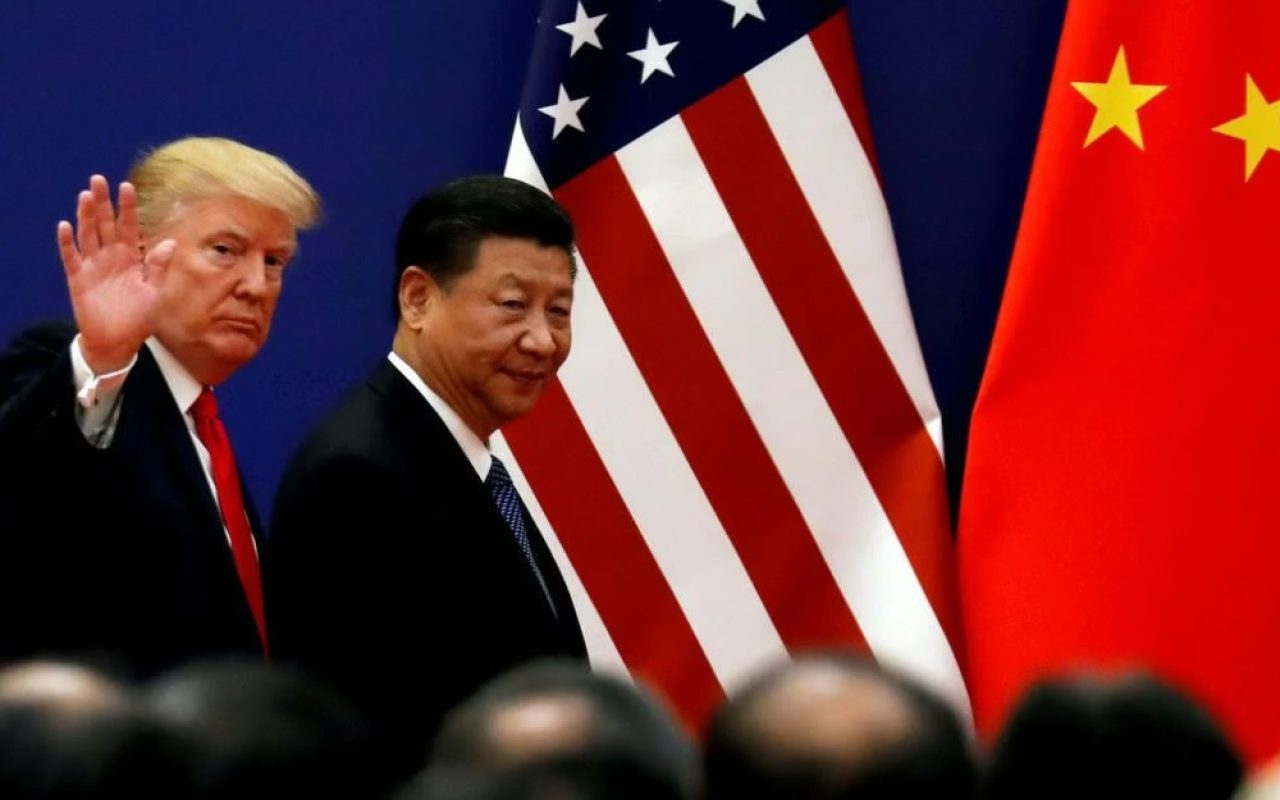
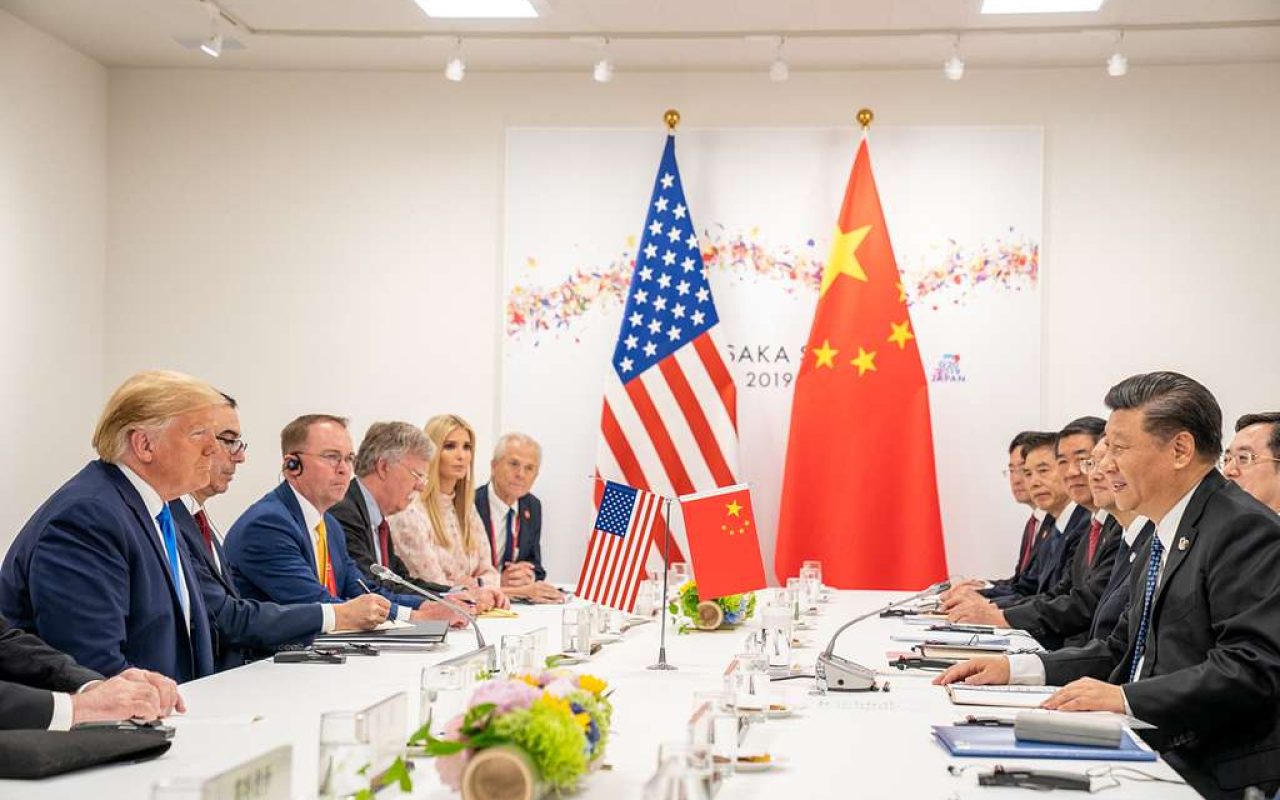
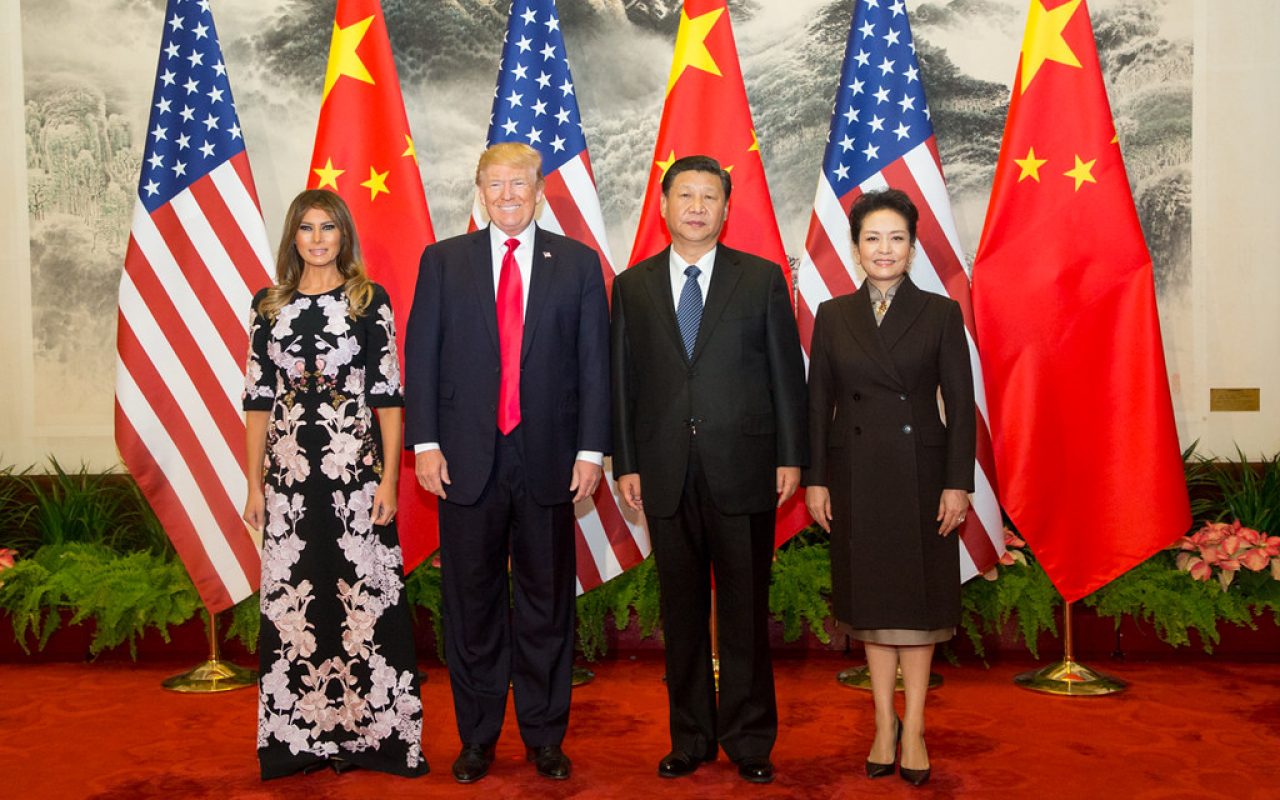
The global economic narrative today is shaped by renewed momentum in United States–India trade talks, set against new data confirming the structural resilience of China’s export machine, even as U.S. tariffs continue to weigh on Sino-U.S. trade. 

A delegation from the United States, led by Deputy U.S. Trade Representative Rick Switzer, is scheduled to meet counterparts in New Delhi from December 10–11, 2025, to begin discussions on the first phase of a proposed bilateral trade agreement. While some Indian officials have signalled optimism about finalising an initial deal by year-end, sources stress that this round may serve more as a preliminary or exploratory session rather than a formal negotiation. The broader ambition remains to reach the goals outlined under Mission 500, boosting bilateral trade to US $500 billion by 2030. 

China’s Trade Surplus Hits Record: Meanwhile, China’s goods trade surplus has exceeded US $1 trillion for the first time ever (first 11 months of 2025), according to customs data, marking a substantial increase from 2024’s total of about US $992 billion. 

In November, Chinese exports rebounded 5.9% year-on-year while imports rose only 1.9%, yielding a single-month surplus of roughly US $112 billion. Though exports to the United States fell sharply, nearly 29% in November, China seems to have offset much of the loss by diversifying export markets toward regions such as Southeast Asia, Europe, Australia, and beyond. This outcome underscores the limits of tariffs alone in curbing China’s global export reach.

The US–India negotiations come at a critical juncture. Facing rising competition in global supply chains, India may view a trade deal with the U.S. as a way to solidify its role as an alternative manufacturing and export hub, especially amid China’s continued dominance in exports. Yet, whether this “first tranche” will materialize as a binding agreement by year-end, or remain preliminary, is still uncertain. On the China side, although the trade-surplus milestone is impressive, analysts caution that long-term vulnerabilities remain, including weak domestic demand, overreliance on external markets, and rising geopolitical scrutiny from other trading partners.

References

Other News and Insights

December 18, 2025

As the final trading days of 2025 approach, the traditionally anticipated “Santa Claus Rally” has lost momentum amid growing investor caution. While the S&P 500 remains near record levels, the strong upward impulse seen in November has moderated. A combination of a volatile labor market report, mixed signals from the Federal Reserve, and a rotation away from high-valuation growth stocks has made investors more reluctant to increase exposure heading into the holiday period.

A central theme this week has been a reassessment of the so-called “AI trade.” Several major semiconductor and enterprise software stocks experienced renewed selling pressure on Wednesday, contributing to a 1.8% decline in the Nasdaq, its weakest session in several weeks. Investor sentiment appears to be shifting as market participants scrutinize whether current capital expenditure commitments can translate into near-term revenue growth. Oracle shares fell more than 5% following reports that financing for a large-scale AI data center project had been delayed, highlighting the increasing focus on funding discipline and return on investment. This shift in sentiment weighed on the broader sector, including Nvidia and Broadcom, reinforcing the view that future valuations will depend more heavily on realized cash flows rather than projected capacity expansion.

On the macroeconomic side, the Federal Reserve’s transition toward a more accommodative stance has been less straightforward than markets initially anticipated. The Fed implemented a 25-basis-point rate cut last week, lowering the target range to 3.50%–3.75%, but the response across asset classes has been muted. Long-term interest rates, in particular, have remained elevated, with the 10-year Treasury yield holding above 4.15%. This divergence suggests that bond investors remain cautious about inflation persistence and fiscal risks, even as the Fed seeks to support economic activity amid a labor market showing signs of gradual softening, with unemployment edging up to 4.4%.

Geopolitical considerations are also contributing to the cautious tone. While the “Kuala Lumpur Truce” reduced the immediate risk of renewed tariff escalation between the U.S. and China, broader strategic tensions persist. Recent reporting has drawn attention to China’s expanding role in maritime security operations in parts of Africa and the Indian Ocean, developments that could have longer-term implications for trade routes and regional stability. At the same time, China’s economy appears to have exceeded earlier 2025 growth expectations, with nominal GDP approaching an estimated $19.8 trillion, supported by strong exports in high-tech manufacturing sectors such as electric vehicles, robotics, and renewable energy technologies.


Markets appear to be undergoing a period of cautious reallocation rather than outright risk aversion. Investor capital is rotating away from the most speculative segments of the AI complex and toward assets more closely tied to current economic activity, including energy, where oil prices rose modestly after the U.S. administration moved to restrict Venezuelan tanker operations. With key inflation data due shortly, volatility is likely to remain elevated through year-end. Much of the easy gains of 2025 may already be realized, suggesting that market performance in 2026 will depend more on earnings resilience and margin discipline than on multiple expansion alone.

References

Date: December 23, 2025

Wall Street has officially entered the “twilight zone” of the 2025 trading year. As liquidity thins ahead of the Christmas holiday, the S&P 500 and Nasdaq are pushing higher into Tuesday’s session, defying the typical late-December slowdown. But the calm on equity screens contrasts sharply with the urgency building in commodities. Gold futures have vaulted past a major psychological threshold, trading above $4,400 an ounce for the first time, while silver prices are approaching the $70 level.

This unusual alignment, strength in both risk assets (stocks) and traditional risk hedges (gold), suggests investors are simultaneously embracing the Federal Reserve’s recent rate cut to 3.75% and guarding against its longer-term consequences. With the 10-year Treasury yield holding near 4.17%, the speed and scale of the precious metals rally points to growing concern that easier financial conditions could revive inflation pressures as early as Q1 2026.

Geopolitics is adding another layer of uncertainty. Earlier optimism around a temporary “trade truce” is beginning to fade, though the fault lines are shifting. While U.S.–China negotiations remain in a holding pattern, Beijing has escalated trade pressure on Europe. China’s Ministry of Commerce announced that anti-dumping tariffs of between 21.9% and 42.7% on EU dairy imports have taken effect, directly impacting producers in the Netherlands and Denmark, including FrieslandCampina and Arla. The move underscores China’s willingness to use targeted trade measures amid broader strategic tensions.

In contrast, sentiment in the technology sector remains resilient. Reports indicate Nvidia (NVDA) is preparing a compliant version of its H200 AI chip that could allow shipments to China to resume by mid-February. Even with performance restrictions, the prospect of renewed access to Chinese demand has lifted semiconductor stocks, helping offset concerns tied to widening global trade frictions.

Meanwhile, consolidation pressures are intensifying in the media industry as competition shifts from subscriber growth to scale. Paramount Global (PARA) is reported to have made a roughly $40 billion hostile bid for Warner Bros. Discovery (WBD), potentially complicating separate takeover speculation involving Netflix. The aggressive move reflects urgency among legacy media firms ahead of a tougher regulatory environment expected in 2026, which could narrow the window for large-scale mergers.

The “Santa Rally” appears intact, but it is unfolding alongside a sharp reassessment of monetary risk. When gold rises more than 1% in a single session without a clear crisis trigger, it signals heightened sensitivity to central bank policy and currency stability. Equity gains may continue into year-end, but investors should watch the dollar index (DXY) closely. A decisive break lower could indicate that the inflation-sensitive trades of 2026 are already coming into focus.

References

January 27, 2026 

The market is on edge as the Federal Reserve’s January policy meeting gets underway today. After a strong Monday session where major U.S. equity indices, including the S&P 500 and Dow, finished higher, sentiment remains mixed ahead of key economic data and policy signals. Spot gold has climbed to record highs above $5,100 per ounce on strong safe-haven demand and dollar weakness, reflecting persistent geopolitical and macroeconomic uncertainties rather than just Federal Reserve expectations.

Attention today is firmly on the Fed’s decision, with markets widely expecting the federal funds rate to be held steady at current levels. Commentary from analysts suggests markets will be watching the Fed’s outlook on inflation and growth closely, especially during Chair Jerome Powell’s press engagement following the announcement. Markets are pricing in that the central bank will remain cautious rather than aggressively shift policy in either direction this week.

U.S. Treasury yields and the dollar have shown volatility as traders balance expectations for monetary policy with broader global risks. While yields have not moved uniformly, bond markets continue to signal caution ahead of the Fed statement and upcoming Treasury auctions.

Credit markets are displaying resilience, and corporate bond spreads have tightened in recent sessions, suggesting fixed-income investors are not yet pricing in a severe downturn. Some banking stocks have seen share weakness due to concerns about interest income and credit quality, but this is part of broader sector rotation rather than a systemic credit crisis. 

In the tech sector, themes of artificial intelligence investment continue to support valuations, with infrastructure and cloud-related plays drawing fresh capital even as cyclical sectors face headwinds. Despite macro uncertainty, many analysts point to strong earnings expectations as a key driver behind equity strength this earnings season. 

For consumers and markets alike, the January Conference Board Consumer Confidence index will be a focus today. Expectations are that the report will provide insight into household sentiment amid a resilient job market and moderating, though persistent, inflation pressures. This figure will help assess whether consumer spending remains a stabilizing force for U.S. economic growth.

Markets remain fundamentally uncertain and reactive rather than directional. The coexistence of record gold prices alongside solid equity performance suggests investors are balancing risk assets with defensive positions. Over the next 48 hours, the main risks revolve around communication clarity from policymakers, incoming economic data, and how markets interpret the Fed’s stance on inflation and growth.


References

Forex.com. (2026, January 26). S&P 500 Forecast: SPX rises ahead of Mag 7 earnings & FOMC decision this week. https://www.forex.com/en-ca/news-and-analysis/s-p-500-forecast-spx-rises-ahead-of-mag-7-earnings-fomc-decision-this-week/

Invesco. (2026, January 26). Four key market signals to watch. https://www.invesco.com/us/en/insights/market-signals-investors-watch.html

Investing.com. (2026, January 26). Trump speech and consumer confidence highlight Tuesday’s economic calendar. https://www.investing.com/news/stock-market-news/trump-speech-and-consumer-confidence-highlight-tuesdays-economic-calendar-93CH-4465810

Kiplinger. (2026, January 26). January Fed Meeting: Live Updates and Commentary. https://www.kiplinger.com/investing/live/january-fed-meeting-live-updates-and-commentary

Manila Times. (2026, January 27). US stocks rise as gold hits another record and the dollar’s value sinks again. https://www.manilatimes.net/2026/01/27/business/foreign-business/us-stocks-rise-as-gold-hits-another-record-and-the-dollars-value-sinks-again/2265644

Morningstar. (2026, January 14). Financials Down After BofA, Wells, Citi Earnings — Financials Roundup. https://www.morningstar.com/news/dow-jones/202601148751/financials-down-after-bofa-wells-citi-earnings-financials-roundup

The Jakarta Post. (2026, January 27). Stocks up as earnings hopes offset Trump’s Korea tariff move, dollar wobbles. http://www.thejakartapost.com/business/2026/01/27/stocks-up-as-earnings-hopes-offset-trumps-korea-tariff-move-dollar-wobbles.html

November 19, 2025

The economic relationship between the United States and the Association of Southeast Asian Nations (ASEAN) is increasingly shaped by the tension between Washington’s push for deeper strategic cooperation and ASEAN’s emphasis on multilateral economic integration. Following the ASEAN Summit, the U.S. move toward more reciprocal trade arrangements has sought to influence regional supply chains by linking preferential market access with broader strategic commitments (Brownstein, 2025). Under this approach, ASEAN members that have formal agreements, such as Malaysia and Cambodia, and those participating through frameworks, such as Vietnam and Thailand, remain within the U.S. reciprocal tariff regime but may receive targeted exemptions. This has created a differentiated tariff landscape influenced by each country’s alignment track record rather than purely economic considerations (Dezan Shira & Associates, 2025).

This tiered structure places ASEAN in a difficult position despite its demonstrated economic resilience. While the United States is ASEAN’s fourth-largest trading partner, the region’s trade with China is more than twice that volume, underscoring Beijing’s central role in regional production networks (Heinrich Böll Foundation, 2025). U.S. tariff measures also aim to curb China’s regional influence by imposing higher duties on goods suspected of being rerouted or transshipped through ASEAN economies, prompting member states to strengthen their customs enforcement to address U.S. concerns over duty circumvention (Bangkok Post, 2025). These compliance requirements, however, clash with ASEAN’s heavy dependence on Chinese inputs and capital, generating both political sensitivity and operational challenges for states trying to maintain strategic neutrality (Bangkok Post, 2025).

At the same time, China is expanding its own regional economic footprint by advancing multilateral initiatives such as the upgraded ASEAN–China Free Trade Area (ACFTA 3.0). The new framework emphasizes cooperation in digital trade, supply chain resilience, and standards harmonization, positioning China as a more stable long-term economic partner and offering ASEAN an institutional buffer against external policy volatility (ThinkChina, 2025). The broader geopolitical signal is clear: while ASEAN leaders still describe Washington as an important strategic counterweight, the more predictable and institution-driven nature of China’s economic engagement may encourage a gradual structural tilt toward Beijing if U.S. trade policy continues to shift toward short-term, transactional arrangements (East Asia Forum, 2025).

References

Bangkok Post. (2025). Southeast Asia squeezed by superpowers. https://www.bangkokpost.com/opinion/opinion/3137651/southeast-asia-squeezed-by-superpowers

Brownstein. (2025). President Trump Reaches Trade Agreements with Southeast Asian Countries. https://www.bhfs.com/insight/president-trump-reaches-trade-agreements-with-southeast-asian-countries/

Dezan Shira & Associates. (2025). U.S. Tariffs in Asia 2025 – A Regional Investment Map. https://www.aseanbriefing.com/news/u-s-tariffs-in-asia-2025-a-regional-investment-map/

East Asia Forum. (2025). Trump tariffs tilt Southeast Asia towards China. https://eastasiaforum.org/2025/09/23/trump-tariffs-tilt-southeast-asia-towards-china/

Heinrich Böll Foundation. (2025). In A Turbulent World, ASEAN Needs to Do Its Internal Homework. https://th.boell.org/en/2025/07/18/turbulent-world-asean-needs-do-its-internal-homework

ThinkChina. (2025). ACFTA 3.0: The China-ASEAN deal that could shake US influence? https://www.thinkchina.sg/economy/acfta-3-0-china-asean-deal-could-shake-us-influence


The contemporary international trade regime is witnessing a fundamental reconfiguration, characterized by the convergence of aggressive environmental policy and protectionist trade measures. This phenomenon, increasingly termed “eco-protectionism,” represents a departure from the era of uninhibited globalization toward a system where market access is contingent upon environmental performance (UNCTAD, 2025). For global organizations, this shift signals that sustainability governance can no longer be siloed within corporate social responsibility departments; rather, it has become a central pillar of trade compliance and competitive strategy.

As the transitional phase of the European Union’s Carbon Border Adjustment Mechanism (CBAM) concludes in late 2025, the distinction between sustainability compliance and financial viability is rapidly eroding. Commencing in 2026, the shift from mere data reporting to mandatory financial liability for embedded carbon emissions will fundamentally alter the cost structures of imported goods, particularly in energy-intensive sectors such as steel, aluminum, and fertilizers (European Commission, 2025). Consequently, firms that fail to accurately account for and reduce the carbon intensity of their supply chains face the dual risk of prohibitive tariffs and exclusion from the Single Market.

Beyond the immediate fiscal implications of European regulations, the rise of eco-protectionism is fostering a fragmented global market characterized by “green friend-shoring.” Recent economic analyses suggest that multinational enterprises are increasingly restructuring supply networks to prioritize jurisdictions with low-carbon energy grids and regulatory alignment, thereby mitigating the risk of future carbon tariffs from other major economies like the United States or China (White & Case, 2025). This geopolitical fragmentation compels organizations to assess geopolitical risk not merely through the lens of political stability, but through the metric of carbon diplomacy and environmental reciprocity.

To navigate this volatile landscape, multinational enterprises must transition from passive reporting to active supply chain decarbonization. Strategic resilience in 2026 and beyond requires the implementation of deep-tier supply chain auditing to capture Scope 3 emissions data with the same rigor applied to financial accounting (Dawgen Global, 2025). Ultimately, in an era defined by eco-protectionism, the ability to demonstrate a low-carbon footprint is no longer a reputational asset, but a prerequisite for maintaining global market access.

References

Dawgen Global. (2025). Emerging trends in global trade and investment for 2025 and beyond. https://www.dawgen.global/emerging-trends-in-global-trade-and-investment-for-2025-and-beyond/

European Commission. (2025). Carbon Border Adjustment Mechanism: Transition phase and definitive regime. Taxation and Customs Union. https://taxation-customs.ec.europa.eu/carbon-border-adjustment-mechanism_en

UNCTAD. (2025). Global trade update: Resilience under pressure. United Nations Conference on Trade and Development. https://unctad.org/publication/global-trade-update-october-2025-global-trade-remains-strong-despite-policy-changes-and

White & Case. (2025). Overview of foreign trade 2025. Insight Alert. https://www.whitecase.com/insight-alert/overview-foreign-trade-2025

December 3, 2025

Global markets are trading with characteristic caution this Wednesday, suspended between a politically sensitive anniversary in Asia and critical labor data due from Washington. U.S. equity futures remain broadly steady, mirroring Tuesday’s rotation out of higher-beta assets, including cryptocurrency, and into industrial names. The shift reflects a market recalibration rather than panic, with investors opting for earnings visibility as policy uncertainty builds ahead of next week’s central-bank meeting.

In Asia, the mood is reflective rather than volatile. Today marks one year since South Korea’s brief but consequential political crisis, when former President Yoon Suk Yeol’s emergency martial-law declaration was swiftly nullified by the National Assembly. While the decree lasted only hours, the episode remains politically resonant, and coverage across major Korean outlets has reignited debate about institutional safeguards. The KOSPI finished marginally lower, and although markets are far from disorderly, the anniversary has added a layer of caution to broader regional trading already contending with currency fluctuations and shifting risk appetite.

Back in the United States, attention is firmly on the ADP National Employment Report, set for release this morning. Following recent data disruptions linked to the federal shutdown, policymakers are eager for clearer signals ahead of the December 9–10 Federal Reserve meeting. Investors largely expect evidence of cooling in private-sector hiring, but an upside surprise could challenge assumptions about early-2026 rate cuts. The 10-year Treasury yield, hovering near 4.08 percent, underscores the delicate balance; any sharp move after the ADP print could reverberate quickly across equity indices.

Corporate performance continues to diverge in ways that offer insight into the real economy. While enthusiasm around the “AI trade” has moderated, traditional industrial strength is showing through. Boeing rallied more than 10 percent yesterday after updated guidance from CFO Jay Malave pointed to firmer cash-flow expectations for 2026. The contrast with the crypto complex is striking: Bitcoin remains below the $91,000 level after recent selling pressure, dragging correlated equities lower and illustrating a broader preference for assets backed by hard earnings rather than speculative adoption narratives.

Meanwhile, the OECD’s latest Economic Outlook, released yesterday, projects that global recession risks remain contained but warns of a “synchronized slowdown” across major economies as elevated uncertainty weighs on consumption and investment. France’s political gridlock and Germany’s uneven industrial recovery continue to cloud Europe’s outlook, raising concerns that the momentum of global growth may once again fall disproportionately on the United States. Recent commentary from consumer-facing companies, including Procter & Gamble, points to increasingly unpredictable spending patterns heading into 2026.


References

Associated Press. (2025, December 2). Wall Street holds steadier as bond yields and bitcoin stabilize. https://apnews.com/article/stocks-markets-rates-bitcoin-cyber-trump-e1058c781c79d8860eb1ee70db21dc7c

The Korea Herald. (2025, December 2). Martial law’s animosity has outlived decree — and now defines political identity. https://www.koreaherald.com/article/10628069

OECD. (2025, December 2). OECD to release latest Economic Outlook on Tuesday 2 December 2025. https://www.oecd.org/en/about/news/media-advisories/2025/11/oecd-to-release-latest-economic-outlook-on-tuesday-2-december-2025.html

Nasdaq. (2025, December 2). Stock Market News for Dec 2, 2025. https://www.nasdaq.com/articles/stock-market-news-dec-2-2025

December 31, 2025

As the closing bell rings on the final trading session of 2025, Wall Street finds itself suspended between celebration and unease. U.S. equity markets have delivered another banner year, defying persistent warnings of recession, tighter credit, and geopolitical instability. Yet beneath the surface of record-setting index levels lies a growing sense that the rally has become increasingly fragile, sustained less by broad economic strength than by liquidity, concentration, and investor inertia.

The S&P 500 closed the year near an all-time high of approximately 6,896, marking an annual gain of roughly 17%, according to market data. The achievement caps a year in which large-cap technology and AI-linked firms once again dominated returns, masking weakness elsewhere in the economy. Few strategists predicted such resilience at the start of the year, particularly amid lingering inflation concerns and slowing global growth.

But as traders exit for the holidays, the prevailing mood is not exuberance. It is a relief.

From “Goldilocks” to a K-Shaped Reality

For much of 2025, markets embraced a “Goldilocks” narrative: inflation cooling just enough to allow the Federal Reserve to ease policy, while economic growth remained intact. Over time, however, that narrative has frayed. What has emerged instead is something closer to a K-shaped economy, where asset prices and high-income consumption continue to surge while labor market momentum softens and lower-income households face mounting pressure.

This divergence has become increasingly difficult to ignore. Equity valuations reflect optimism bordering on perfection, yet measures of labor participation, job creation, and real wage growth have failed to keep pace with headline GDP figures. The result is an economy that looks strong on paper but uneven in lived experience.

Markets Send Mixed Signals

The final trading days of the year captured this tension. Major U.S. indices finished flat to slightly lower, as investors adopted a “wait-and-see” stance ahead of the new year and forthcoming guidance from the Federal Reserve. At the same time, gold continued its historic ascent, trading around $4,364 per ounce, reinforcing its role as a hedge against policy uncertainty and currency debasement.

The simultaneous strength of both speculative assets and traditional safe havens is an unusual and telling combination. When investors bid up growth stocks while also stockpiling gold, it often signals not confidence in productivity gains, but anxiety over the durability of monetary stability. In effect, markets appear to be pricing both optimism and fear at once.

Growth Without Jobs?

Beneath the index-level euphoria, cracks are forming in the real economy. Recent data show that U.S. GDP expanded at a robust 4.3% annualized pace in the third quarter, supported by high-income consumer spending and sustained investment in artificial intelligence and automation. Yet labor market gains have slowed markedly compared to earlier stages of the expansion.

Economists increasingly warn of a form of “job-light” growth, in which productivity gains and capital investment outpace hiring. This dynamic has complicated policymaking, particularly for the Federal Reserve, which must balance progress on inflation against signs of cooling employment conditions. Public commentary from Fed officials throughout the year has reflected this tension, leaving markets uncertain about the path of rates in early 2026.

A Fracturing Global Backdrop

The global context offers little reassurance. As 2025 draws to a close, multinational corporations are confronting a trade environment defined less by efficiency and more by resilience. Supply chains are being shortened, duplicated, or rerouted, not to maximize margins, but to minimize geopolitical risk.

China’s expanding industrial capacity and increasingly assertive trade posture have further complicated Western efforts to “de-risk” without triggering outright decoupling. Meanwhile, renewed trade tensions, industrial subsidies, and strategic tariffs have reinforced a reality many executives are only beginning to accept: the era of frictionless globalization is over.

This shift carries inflationary consequences. Building redundancy into global supply chains may enhance stability, but it also raises costs, costs that ultimately filter through to consumers and corporate margins alike.

Looking Ahead to 2026

As champagne glasses are raised across trading floors and corner offices, the outlook for 2026 remains deeply uncertain. Equity valuations suggest confidence in a benign outcome, yet the underlying risks, from policy missteps and labor market weakness to geopolitical escalation, have not disappeared. They have merely been deferred.

The much-anticipated “January Effect,” traditionally associated with fresh inflows of capital and renewed optimism, may take on a different character this year. Rather than a surge of buying, markets could face a sober reassessment as bond investors, returning from the holidays, demand greater compensation for risk in a world of elevated debt and persistent uncertainty.

2025 delivered impressive gains, but at a growing cost. As the calendar turns, investors may discover that the celebration itself was the velvet trap, and that the bill is coming due.


References

Our latest predictions on major currency pairs and practical steps businesses can take to mitigate exchange rate risk exposure.