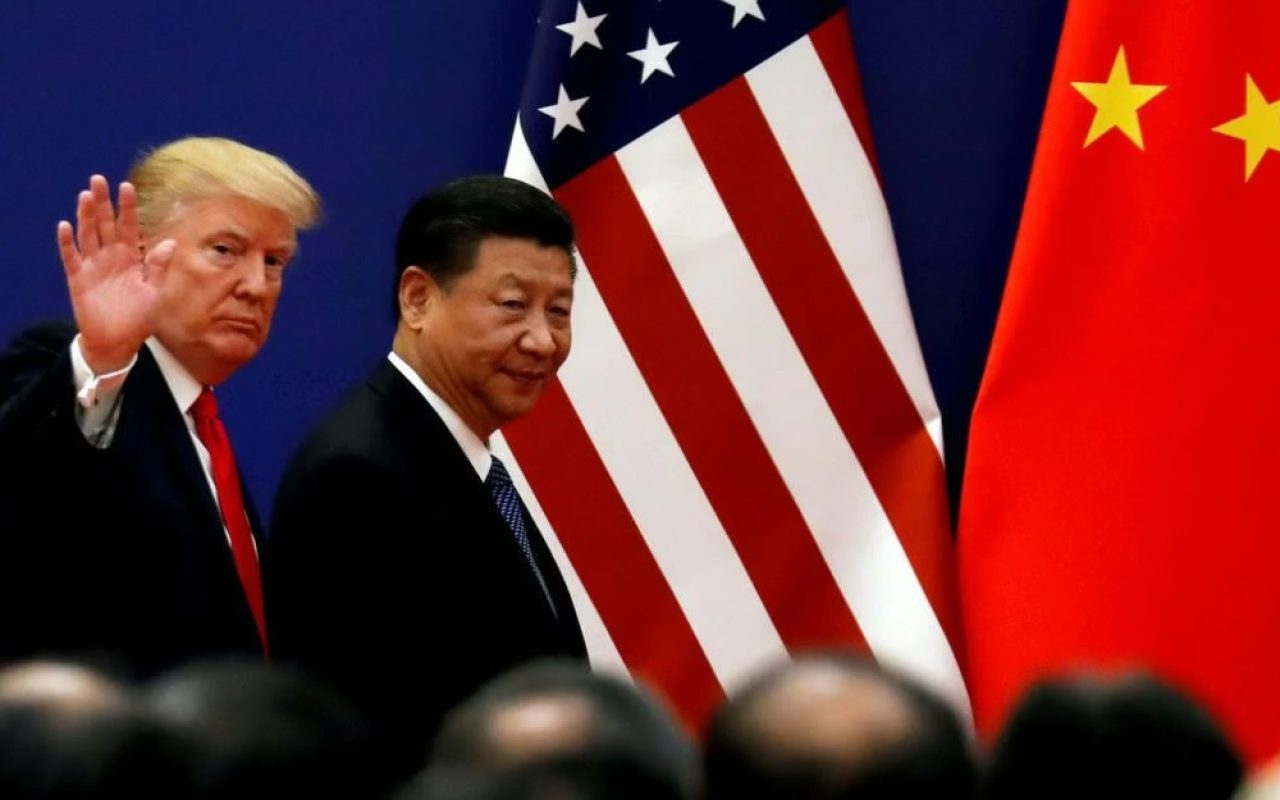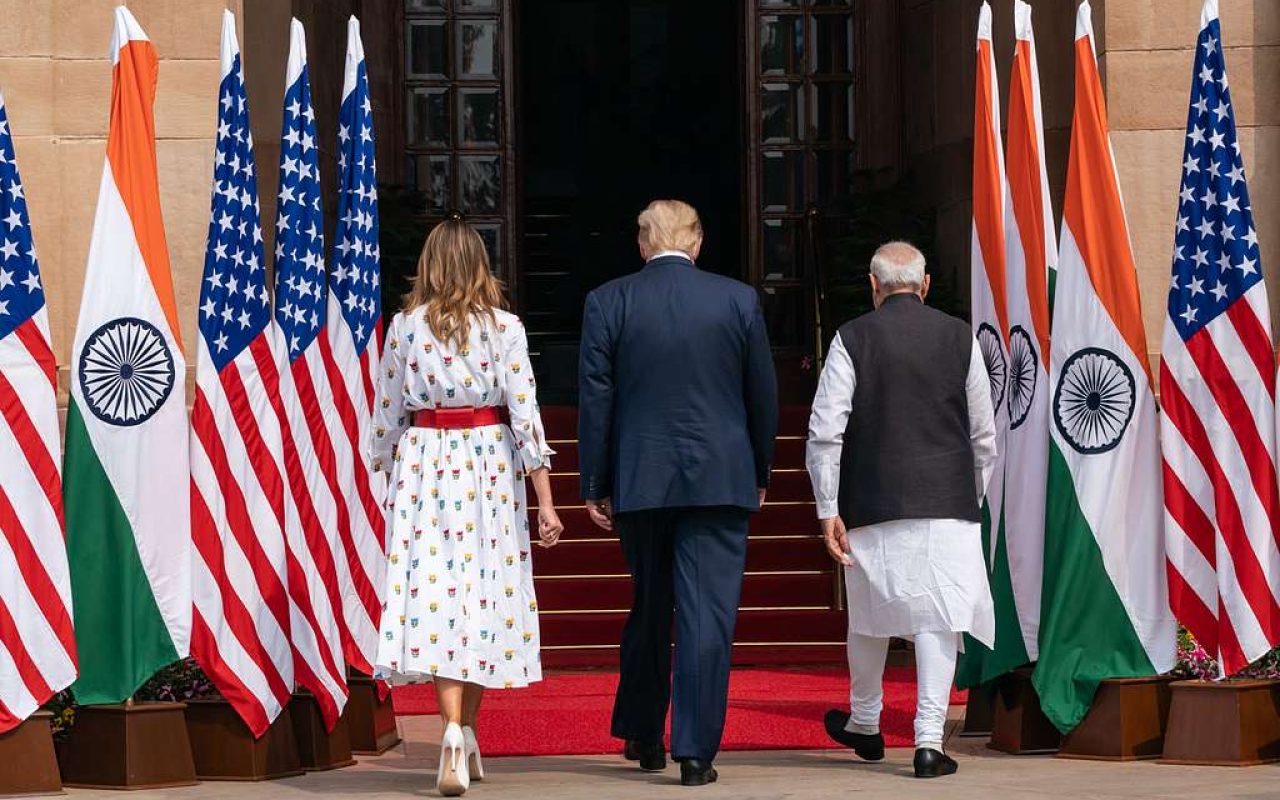
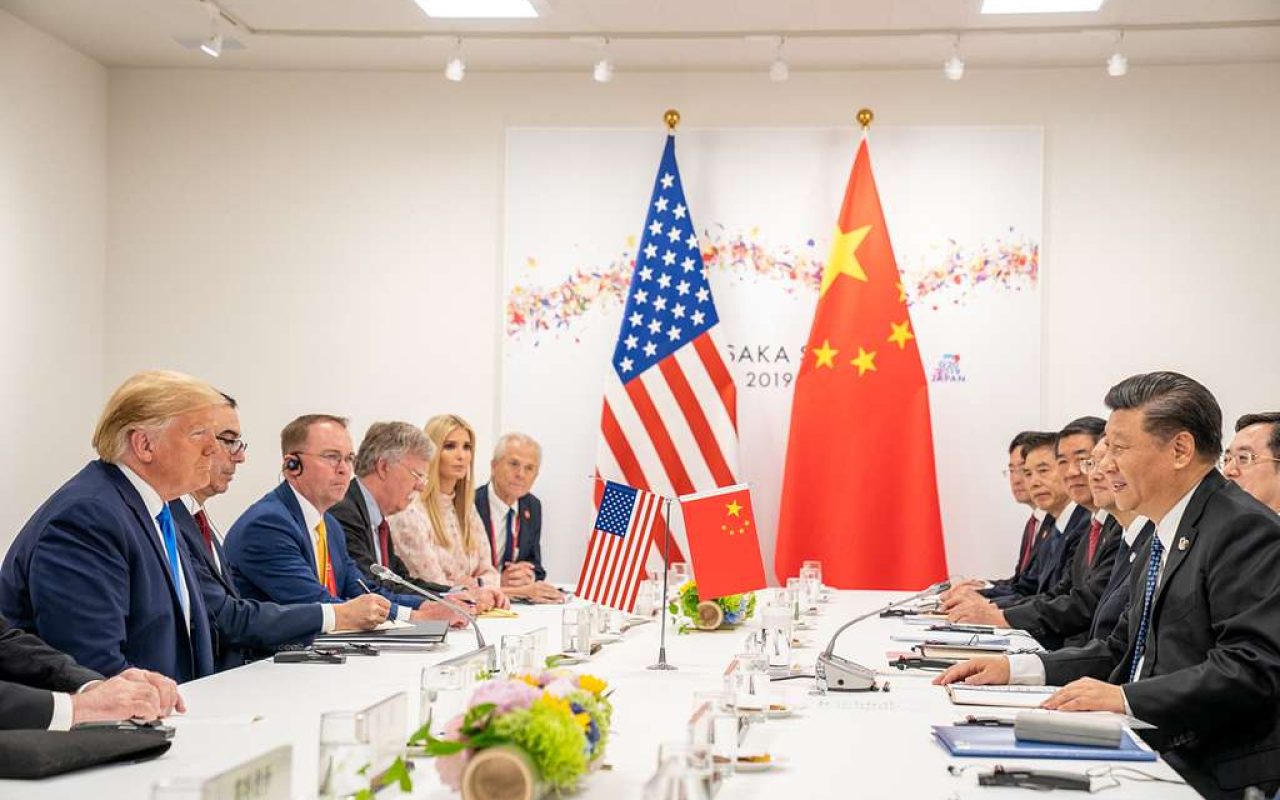
The centerpiece of the recent U.S.–India trade breakthrough is a substantial reduction in tariffs on Indian exports to the United States, reversing a period of heightened trade tension that defined much of 2025. For roughly six months, many Indian goods entering the U.S. market were subject to an effective tariff burden approaching 50 percent. This figure reflected a layered structure: a 25 percent “reciprocal” tariff introduced amid broader trade disputes, combined with an additional 25 percent punitive levy tied to India’s continued purchases of discounted Russian crude oil. The combined duties significantly disrupted bilateral trade flows and created uncertainty for exporters and importers alike.
Under the new interim agreement announced in early 2026, the reciprocal tariff has been reduced to 18 percent. At the same time, U.S. officials confirmed the removal of the Russia-related penalty tariff following diplomatic engagement and policy adjustments. While the 18 percent rate remains higher than pre-dispute levels, it represents a marked de-escalation from last year’s peak and signals a shift toward stabilization in the economic relationship between the two countries.
The rollback materially changes India’s competitive position in the U.S. market. At an 18 percent tariff level, Indian exports now face duties that are broadly in line with, or slightly below, those imposed on several regional competitors across key product categories. During the height of the tariff regime, India was at a distinct disadvantage, particularly in labor-intensive sectors where even small cost differences can influence sourcing decisions. The new structure narrows those gaps and restores a degree of predictability to cross-border trade.
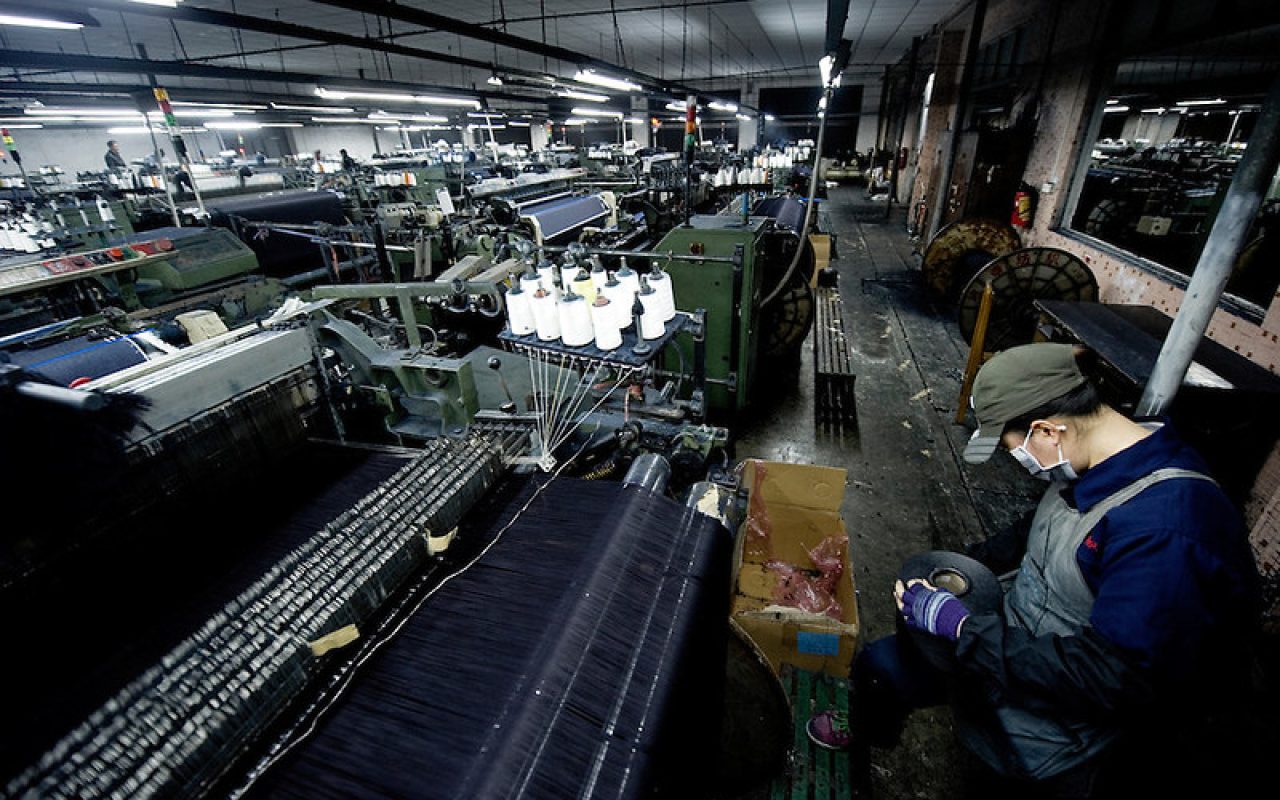
The impact is especially significant for export-oriented industries that were hit hardest by the 2025 escalation. Sectors such as textiles and apparel, gems and jewelry, marine products, and certain manufactured goods experienced notable order cancellations and margin compression as U.S. buyers shifted procurement to lower-tariff markets. Smaller exporters, in particular, faced liquidity pressure as inventories rose and contracts were renegotiated. The tariff reduction offers these industries a potential lifeline, improving price competitiveness and encouraging renewed purchasing commitments from U.S. importers.
However, challenges remain. An 18 percent tariff still represents a meaningful cost burden compared with historical norms, and companies must rebuild supply chains and client relationships that were disrupted during the dispute. Moreover, the agreement is currently structured as an interim framework, meaning longer-term certainty will depend on continued diplomatic cooperation and the successful negotiation of a more comprehensive trade arrangement.
From a broader perspective, the rollback reflects a pragmatic recalibration by both governments. For the United States, easing tariffs may help moderate domestic price pressures in certain imported goods categories while strengthening strategic ties in the Indo-Pacific region. For India, securing reduced duties helps protect export growth at a time when global demand remains uneven.
In sum, the tariff rollback does not restore trade relations to their pre-2025 baseline, but it meaningfully reduces friction and reopens pathways for expansion. Whether this shift marks a durable reset or merely a temporary truce will depend on how both sides manage the next phase of negotiations.
References
Al Jazeera. (2026, February 2). Trump cuts India tariffs to 18% as Modi agrees to stop buying Russian oil. https://www.aljazeera.com/economy/2026/2/2/trump-to-slash-us-tariffs-on-india-from-50-percent-to-18-percent
Reuters. (2026, February 2). US dropping 25% separate tariff on Indian imports after pledge to cut Russian oil, White House says. https://www.reuters.com/world/india/us-dropping-25-separate-tariff-indian-imports-after-pledge-cut-russian-oil-white-2026-02-02