December 9, 2025
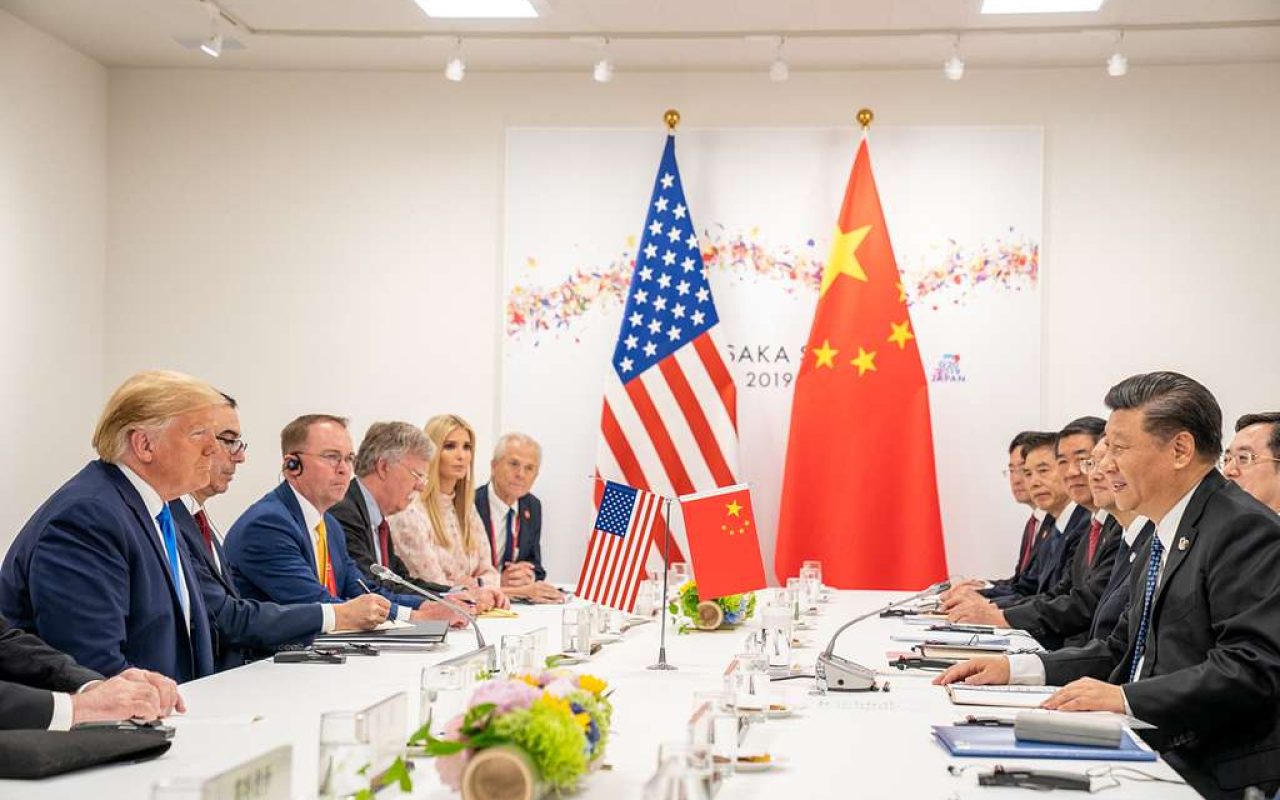
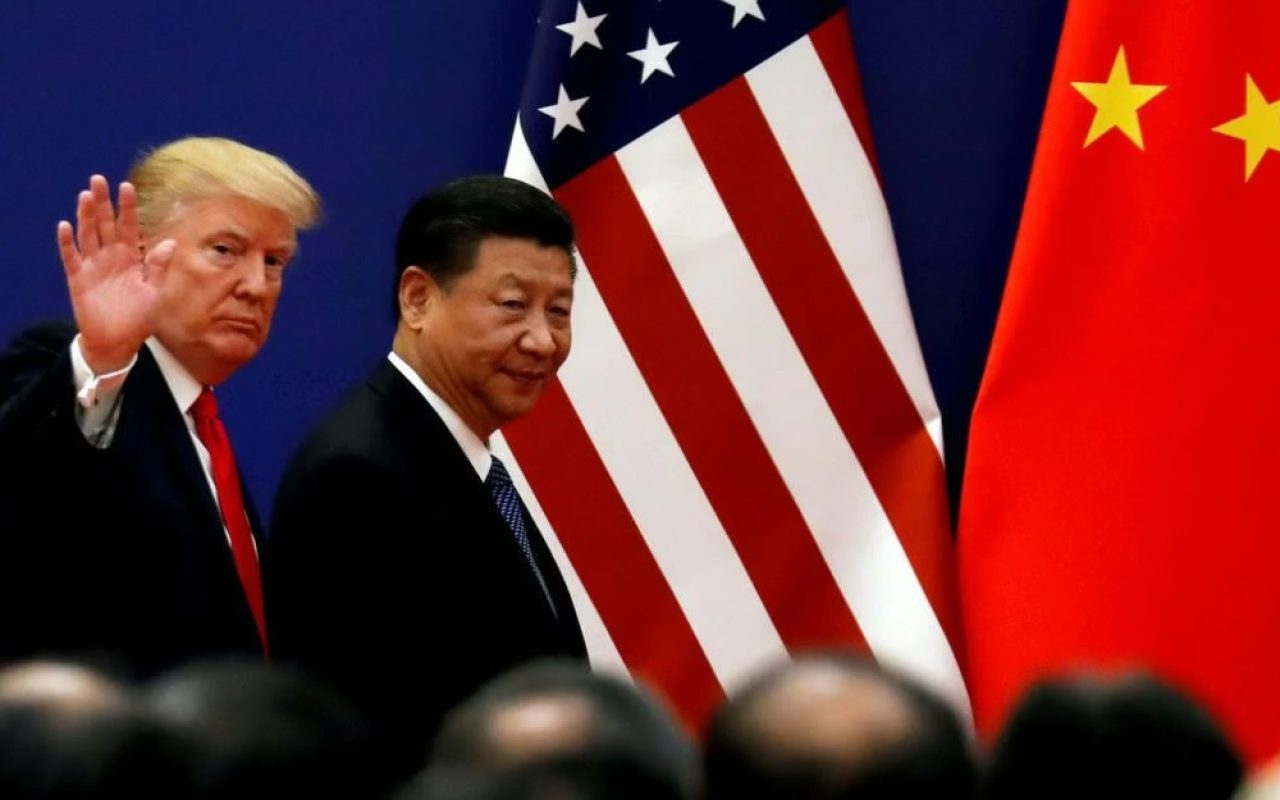
The global economic narrative today is shaped by renewed momentum in United States–India trade talks, set against new data confirming the structural resilience of China’s export machine, even as U.S. tariffs continue to weigh on Sino-U.S. trade.
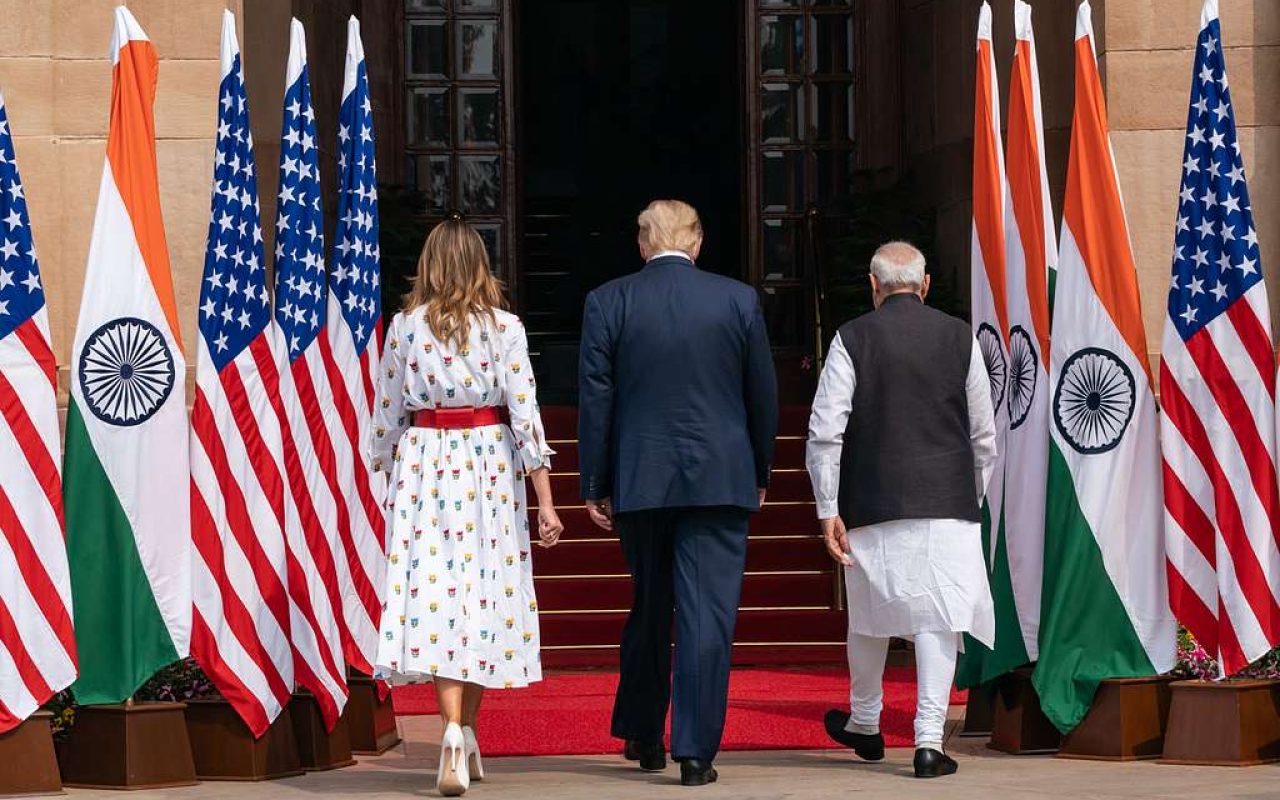
A delegation from the United States, led by Deputy U.S. Trade Representative Rick Switzer, is scheduled to meet counterparts in New Delhi from December 10–11, 2025, to begin discussions on the first phase of a proposed bilateral trade agreement. While some Indian officials have signalled optimism about finalising an initial deal by year-end, sources stress that this round may serve more as a preliminary or exploratory session rather than a formal negotiation. The broader ambition remains to reach the goals outlined under Mission 500, boosting bilateral trade to US $500 billion by 2030.
China’s Trade Surplus Hits Record: Meanwhile, China’s goods trade surplus has exceeded US $1 trillion for the first time ever (first 11 months of 2025), according to customs data, marking a substantial increase from 2024’s total of about US $992 billion.
In November, Chinese exports rebounded 5.9% year-on-year while imports rose only 1.9%, yielding a single-month surplus of roughly US $112 billion. Though exports to the United States fell sharply, nearly 29% in November, China seems to have offset much of the loss by diversifying export markets toward regions such as Southeast Asia, Europe, Australia, and beyond. This outcome underscores the limits of tariffs alone in curbing China’s global export reach.
The US–India negotiations come at a critical juncture. Facing rising competition in global supply chains, India may view a trade deal with the U.S. as a way to solidify its role as an alternative manufacturing and export hub, especially amid China’s continued dominance in exports. Yet, whether this “first tranche” will materialize as a binding agreement by year-end, or remain preliminary, is still uncertain. On the China side, although the trade-surplus milestone is impressive, analysts caution that long-term vulnerabilities remain, including weak domestic demand, overreliance on external markets, and rising geopolitical scrutiny from other trading partners.
References
- https://timesofindia.indiatimes.com/business/india-business/india-us-trade-next-round-of-talks-to-start-from-december-10-not-a-formal-discussion-sources-say/articleshow/125802749.cms
- https://www.theguardian.com/world/2025/dec/09/chinas-record-high-trade-surplus-reveals-the-difficulty-trump-will-have-in-rebalancing-global-economy
- https://www.mining.com/china-issues-first-batch-of-streamlined-rare-earth-licences/
- https://www.hklaw.com/en/insights/publications/2025/12/wave-of-new-cit-lawsuits-filed-to-preserve-rights-to-ieepa
- https://indianexpress.com/article/business/us-negotiators-in-delhi-next-week-indi-us-trade-deal-december-end-trump-tariff-10406398/