Date: January 3, 2026
If the final trading days of 2025 felt like a champagne toast to the long-awaited “Soft Landing,” the opening sessions of 2026 are beginning to resemble the morning after. As global markets find their footing in the first full trading week of the new year, investor sentiment has turned notably more cautious—driven less by equity exuberance and more by a sharp repricing in the energy complex.
Brent crude has slid below $61 a barrel, marking its lowest sustained level since the pandemic-era demand shock of 2020. While the macro backdrop today is fundamentally different, the price action reinforces a warning the International Energy Agency has echoed for much of the past year: global oil supply growth is once again running ahead of demand. The issue is not a collapse in consumption, but rather an abundance of barrels entering the market simultaneously.
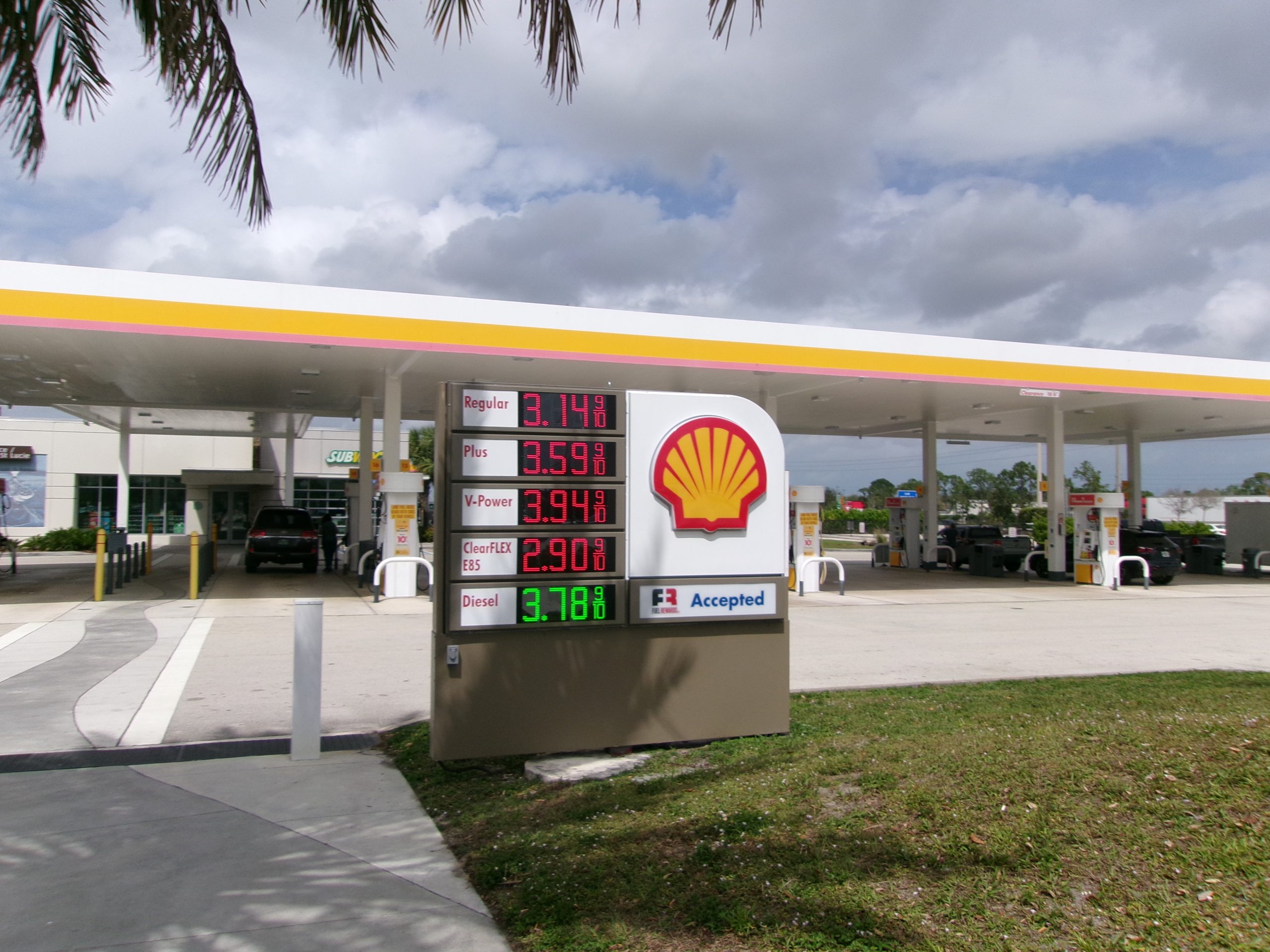
The emerging “Great Glut” of 2026 is no longer theoretical. Even as OPEC+ has signaled a continued pause on further production increases, output growth from non-OPEC producers, most notably the United States, Guyana, and Brazil, has proven sufficient to overwhelm incremental demand growth. According to recent U.S. Energy Information Administration projections, this imbalance could persist well into the first half of the year. For consumers, the implication is broadly positive, with U.S. gasoline prices projected to drift toward the $3.00-per-gallon range this quarter, assuming crude prices remain under pressure. For equity markets, however, the story is more complicated.
While energy represents a relatively modest share of the S&P 500 by weight, the sector still plays an outsized role in earnings momentum and inflation expectations. A sustained downturn in oil prices threatens to weigh on aggregate earnings growth and dampen index-level performance at a time when valuations elsewhere remain elevated. Even the continued dominance of the so-called “Magnificent Seven” may not be sufficient to fully offset renewed weakness in cyclically sensitive sectors.
That tension is already evident in the growing divergence among Wall Street’s largest forecasting houses. Goldman Sachs reiterated a bullish outlook this week, maintaining its call for the S&P 500 to reach 7,600 by year-end, citing AI-driven productivity gains and the potential tailwind from corporate tax relief. Morgan Stanley, by contrast, has struck a more cautious tone, warning that the artificial intelligence trade is entering a “show me” phase. As capital expenditures rise, investors are increasingly demanding near-term cash flow and margin expansion, not just long-duration growth narratives. The gap between these views suggests that 2026 may reward selectivity rather than broad exposure, with sharp sector rotations replacing the rising-tide dynamics of recent years.
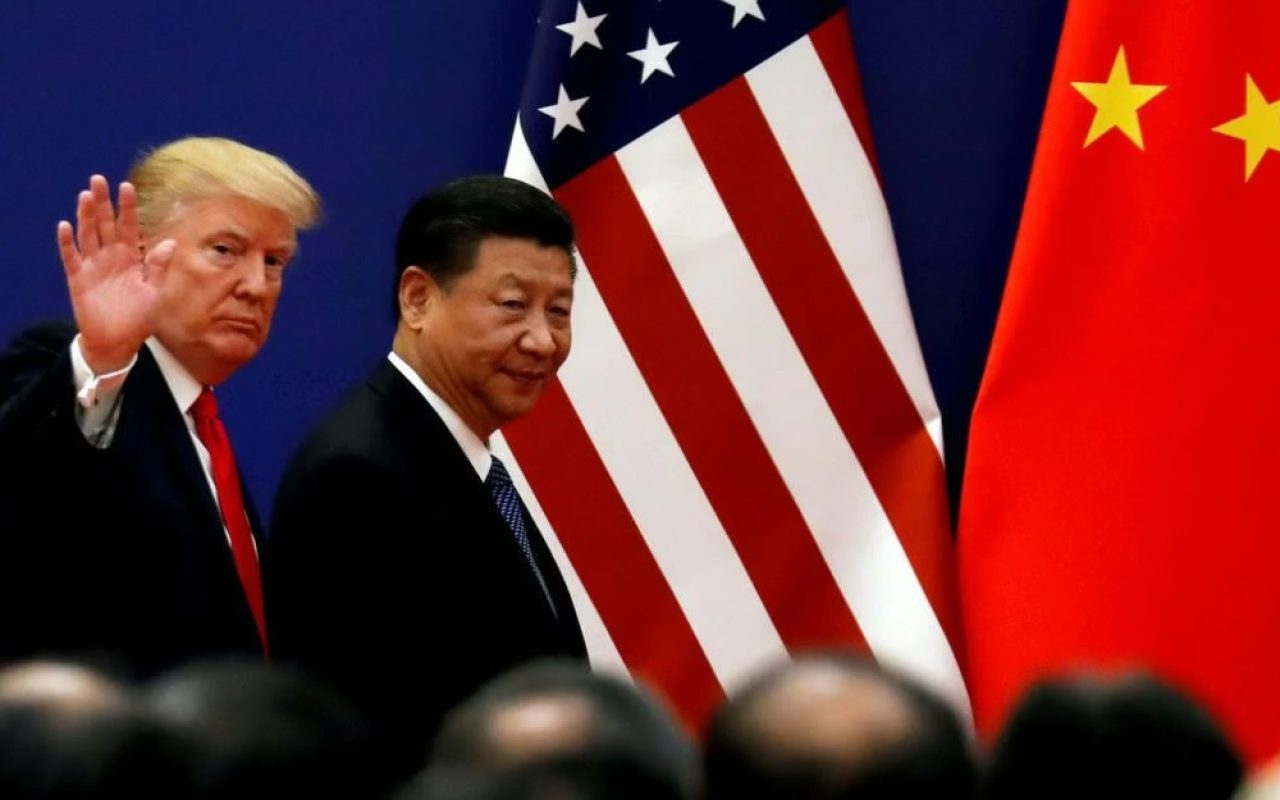
Geopolitics adds another layer of complexity. Control Risks’ newly released RiskMap 2026 identifies “Transactionalism” as the defining risk for global business, underscoring the erosion of predictable, rules-based international cooperation. Long-standing alliances are increasingly giving way to ad hoc, deal-driven arrangements, a trend visible in the fragile U.S.–China détente, which continues to show signs of strain. For multinational firms and supply chain managers, this environment implies greater volatility, as tariffs, export controls, and regulatory sovereignty measures can emerge with little warning.
The Bottom Line: The traditional “January Effect” is colliding with a wall of supply, both in physical commodities and in financial markets. Lower energy prices should ultimately support consumer spending and help anchor inflation expectations, but the near-term impact on energy earnings and market sentiment is proving destabilizing. For now, defensive positioning appears prudent as investors watch whether oil can sustainably hold the $60 level. A decisive break lower would reinforce broader disinflationary signals and could, over time, force the Federal Reserve to reassess the durability of its current policy pause.
References
Goldman Sachs. (2025). 2026 Outlooks: Some Like It Hot. (Retrieved 2026, January 3).
https://www.goldmansachs.com/insights/outlooks/2026-outlooks
U.S. Energy Information Administration (EIA). (2025, December 9). Short-Term Energy Outlook: Global Oil Prices Forecast.
https://www.eia.gov/outlooks/steo/
Control Risks. (2025). RiskMap 2026: The New Rules – No Rules World.
https://www.controlrisks.com/riskmap/top-risks/the-new-rules-no-rules-world
Investing.com. (2025, December 31). Goldman Sachs forecasts 11% S&P 500 rise in 2026 amid economic growth.
https://www.investing.com/news/analyst-ratings/goldman-sachs-forecasts-11-sp-500-rise-in-2026-amid-economic-growth-93CH-4426751
Rigzone. (2026, January 2). Oil Fluctuates as Traders Weigh Surplus, Geopolitical Risks.
https://www.rigzone.com/news/wire/oil_fluctuates_as_traders_weigh_surplus_geopolitical_risks-02-jan-2026-182677-article/