November 19, 2025
The economic relationship between the United States and the Association of Southeast Asian Nations (ASEAN) is increasingly shaped by the tension between Washington’s push for deeper strategic cooperation and ASEAN’s emphasis on multilateral economic integration. Following the ASEAN Summit, the U.S. move toward more reciprocal trade arrangements has sought to influence regional supply chains by linking preferential market access with broader strategic commitments (Brownstein, 2025). Under this approach, ASEAN members that have formal agreements, such as Malaysia and Cambodia, and those participating through frameworks, such as Vietnam and Thailand, remain within the U.S. reciprocal tariff regime but may receive targeted exemptions. This has created a differentiated tariff landscape influenced by each country’s alignment track record rather than purely economic considerations (Dezan Shira & Associates, 2025).
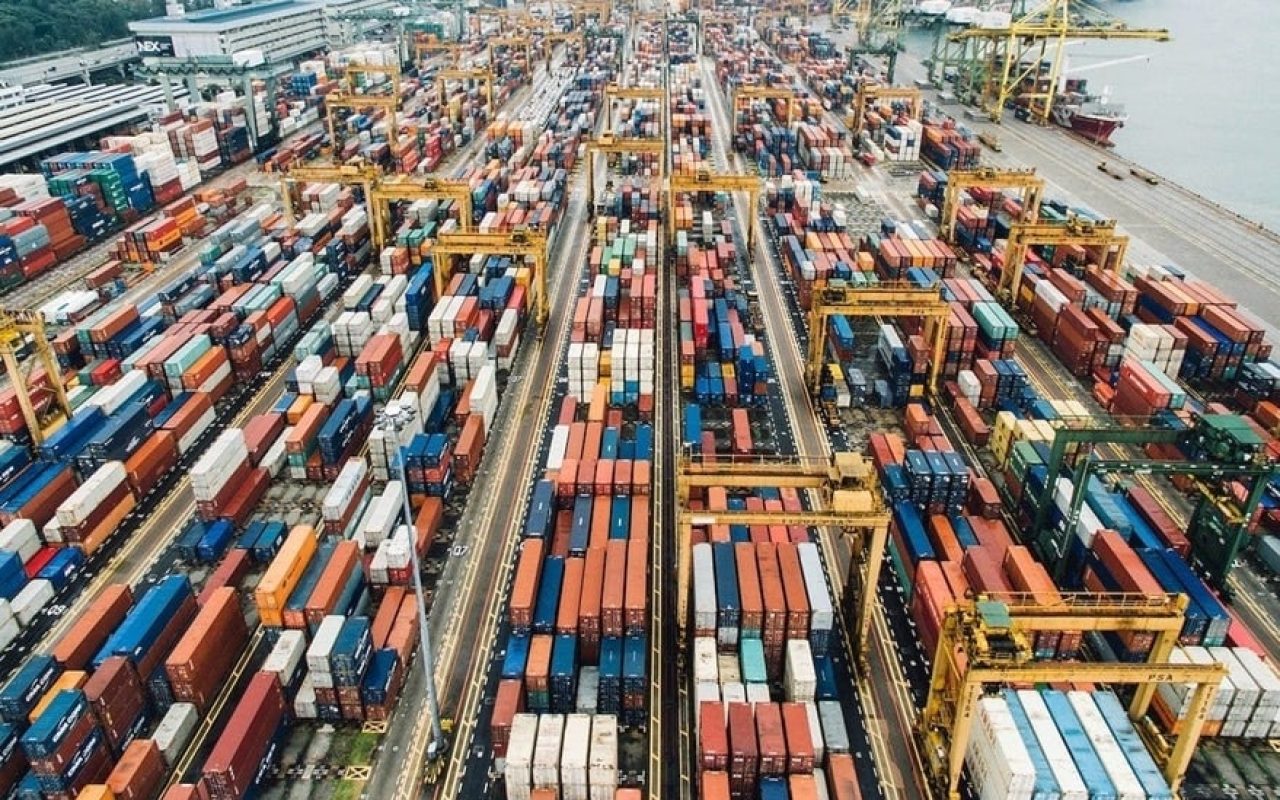
This tiered structure places ASEAN in a difficult position despite its demonstrated economic resilience. While the United States is ASEAN’s fourth-largest trading partner, the region’s trade with China is more than twice that volume, underscoring Beijing’s central role in regional production networks (Heinrich Böll Foundation, 2025). U.S. tariff measures also aim to curb China’s regional influence by imposing higher duties on goods suspected of being rerouted or transshipped through ASEAN economies, prompting member states to strengthen their customs enforcement to address U.S. concerns over duty circumvention (Bangkok Post, 2025). These compliance requirements, however, clash with ASEAN’s heavy dependence on Chinese inputs and capital, generating both political sensitivity and operational challenges for states trying to maintain strategic neutrality (Bangkok Post, 2025).
At the same time, China is expanding its own regional economic footprint by advancing multilateral initiatives such as the upgraded ASEAN–China Free Trade Area (ACFTA 3.0). The new framework emphasizes cooperation in digital trade, supply chain resilience, and standards harmonization, positioning China as a more stable long-term economic partner and offering ASEAN an institutional buffer against external policy volatility (ThinkChina, 2025). The broader geopolitical signal is clear: while ASEAN leaders still describe Washington as an important strategic counterweight, the more predictable and institution-driven nature of China’s economic engagement may encourage a gradual structural tilt toward Beijing if U.S. trade policy continues to shift toward short-term, transactional arrangements (East Asia Forum, 2025).
References
Bangkok Post. (2025). Southeast Asia squeezed by superpowers. https://www.bangkokpost.com/opinion/opinion/3137651/southeast-asia-squeezed-by-superpowers
Brownstein. (2025). President Trump Reaches Trade Agreements with Southeast Asian Countries. https://www.bhfs.com/insight/president-trump-reaches-trade-agreements-with-southeast-asian-countries/
Dezan Shira & Associates. (2025). U.S. Tariffs in Asia 2025 – A Regional Investment Map. https://www.aseanbriefing.com/news/u-s-tariffs-in-asia-2025-a-regional-investment-map/
East Asia Forum. (2025). Trump tariffs tilt Southeast Asia towards China. https://eastasiaforum.org/2025/09/23/trump-tariffs-tilt-southeast-asia-towards-china/
Heinrich Böll Foundation. (2025). In A Turbulent World, ASEAN Needs to Do Its Internal Homework. https://th.boell.org/en/2025/07/18/turbulent-world-asean-needs-do-its-internal-homework
ThinkChina. (2025). ACFTA 3.0: The China-ASEAN deal that could shake US influence? https://www.thinkchina.sg/economy/acfta-3-0-china-asean-deal-could-shake-us-influence